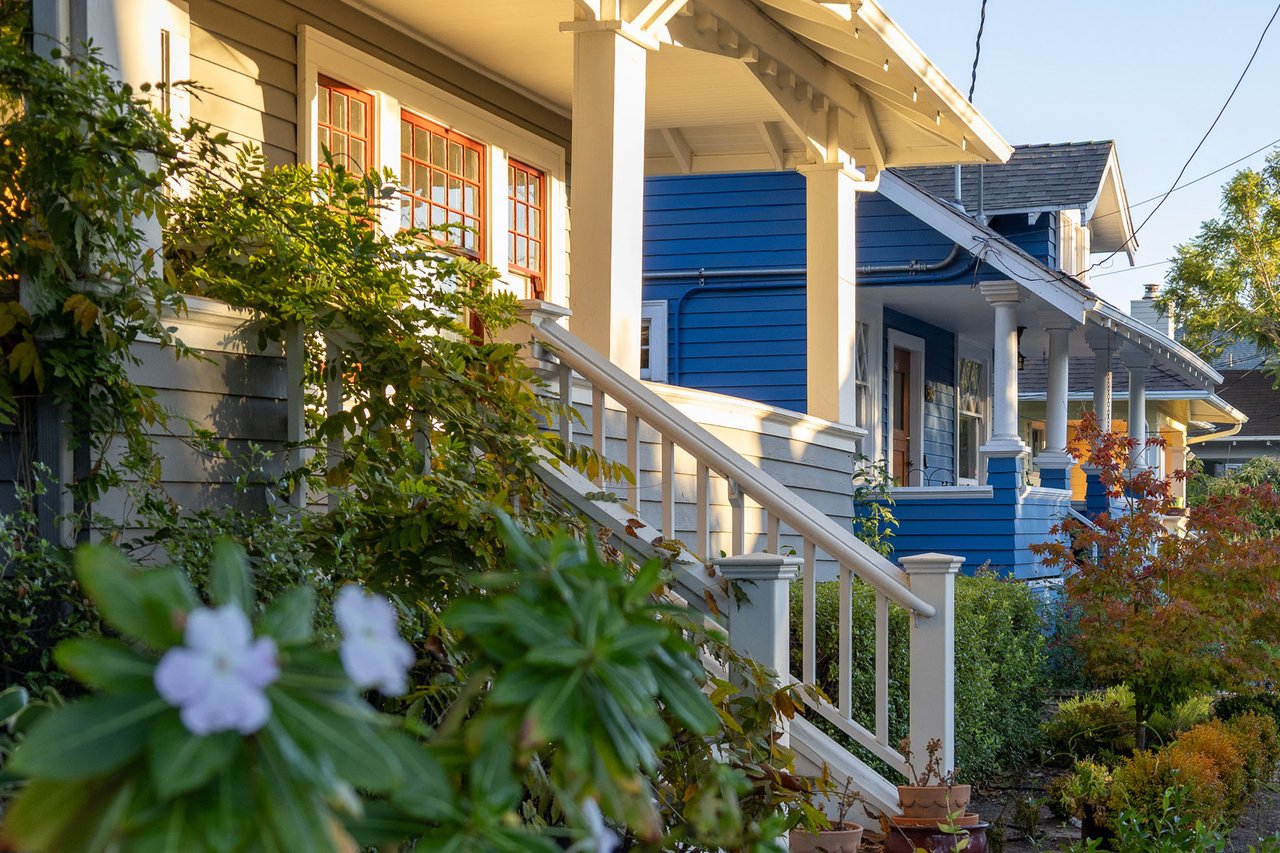
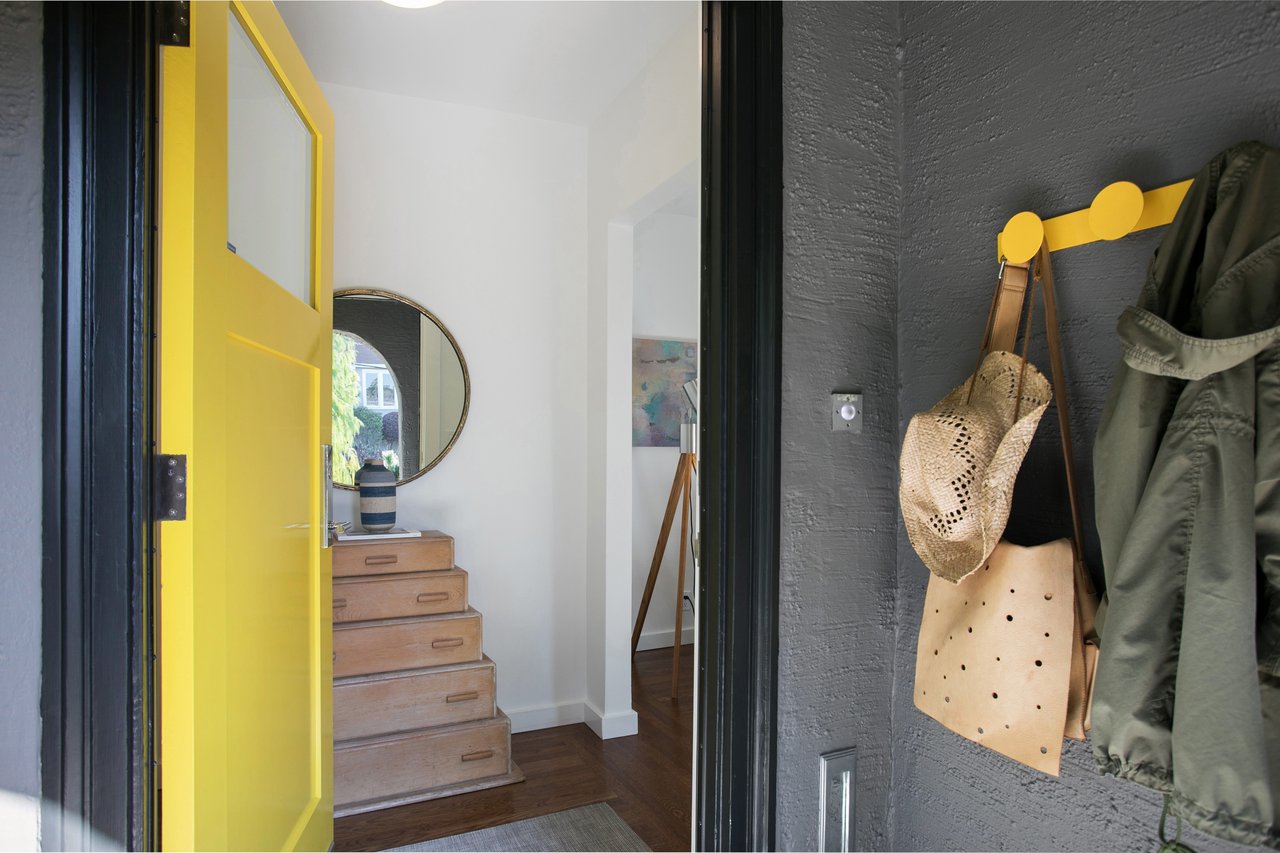
Thinking about selling your Berkeley home and wondering when you’ll get the strongest response from buyers? Timing shapes traffic, price, and stress level, and in Berkeley the calendar matters more than most. In this guide, you’ll learn why spring is traditionally the sweet spot, how micro-markets shift the exact week you should launch, and a simple 12-week plan to get market-ready without chaos. Let’s dive in.
Why spring works in Berkeley
Across California and the U.S., home sales follow a clear seasonal pattern. Buyer activity and new listings rise in late winter and typically peak in spring, especially April through June. Many market studies show May often delivers higher sale prices and faster days on market compared with winter months.
The Bay Area follows the same arc, with added influence from local employment cycles, school calendars, and university life. In Berkeley, late March through May tends to capture a wider buyer pool that includes relocation buyers, local move-ups, and those planning summer moves. Since the interest-rate shifts in recent years, pricing discipline matters more, but spring still offers the most favorable mix of demand and momentum.
If you want to list in Q1 or Q2, the practical takeaway is simple: aim for late March to May for the broadest attention, then tailor your exact launch week to your property type, neighborhood, and target buyer.
Micro-market factors that shape timing
Berkeley is a collection of distinct pockets, each with its own rhythm. A one-size-fits-all approach can leave money on the table.
Buyer segments to consider
- Local owner-occupiers: Often plan purchases that align with summer move windows and appreciate neighborhood character and transit access.
- UC Berkeley-related moves: Faculty and staff may adjust timing around the academic year. Student rental demand shapes small multifamily and condo timing, especially heading into late summer.
- Commuter and remote workers: Proximity to BART and flexible work needs keep this group active year-round, with spring still a strong period.
- Investors: Watch yields and university cycles. Activity can pick up ahead of the academic year or when financing conditions shift.
Neighborhood nuances
- North Berkeley and Elmwood: Premium single-family pockets where spring momentum is especially strong.
- Downtown and South Berkeley: Condos and mixed-use areas draw both owner-occupiers and investors. Competition and financing terms can vary week to week.
- West Berkeley and Westbrae: Newer construction and industrial-to-residential conversions attract buyers who value design and access to I-80 and the Marina.
Proximity to BART stations in Downtown and North Berkeley can expand your buyer pool and shorten market time. Micro-neighborhood pricing, lot size, and traffic patterns also influence strategy.
Property type and tenant status
- Single-family homes: Generally benefit most from spring’s surge.
- Condos and small multifamily: Timing can vary with investor activity and HOA processes; allow extra time for document delivery and financing reviews.
- Tenant-occupied homes or units: Berkeley has tenant protections and a rent-stabilization framework. Build in additional lead time for notices, showings, and required disclosures. Early planning is essential.
A simple 12-week plan to list in spring
If your goal is a late April or May launch, use this practical countdown. Expand the timeline if your home needs major work or you want a later summer window.
Weeks −12 to −9: Early assessment and planning
- Select your listing agent and review a fresh comparative market analysis focused on recent and pending sales.
- Pull permits, title items, HOA rules, and confirm tenant status if applicable.
- Scope repairs and secure contractor bids. Start permits for any work that requires them.
- For tenant-occupied properties, review local rules early and plan notices and consider consulting with a real estate attorney.
Weeks −8 to −6: Repairs, declutter, and staging plan
- Complete essential repairs and high-impact updates like paint, flooring refresh, or minor kitchen and bath improvements.
- Declutter and deep clean. Consider off-site storage to simplify staging.
- Meet the stager and photographer. Lock in staging and photo dates tied to your target list week.
Weeks −5 to −3: Final visuals and pre-market prep
- Install staging and capture professional photography and a 3D tour if using one.
- Work with your agent to finalize the MLS description, floor plan, and disclosures.
- If doing a pre-market broker preview, align the schedule to build momentum.
Weeks −2 to 0: Launch and showings
- Go live on the MLS with a targeted price and your best photo set.
- Schedule the first weekend of open houses and weekday evening showings to maximize traffic.
- Coordinate marketing, broker outreach, and neighborhood touchpoints to reach the right buyers.
After you accept an offer: Escrow timing
- Expect 30 to 45 days for a typical California escrow. Financing, inspections, or sale contingencies can extend timelines.
- Condos often require HOA document review, which can add days.
- For investment sales involving a 1031 exchange, plan contract dates around identification and closing windows; consult a tax advisor early.
Short on time? Prioritize pricing accuracy, staging, fresh paint, landscaping, and thorough decluttering. These deliver the best near-term returns.
Pricing and presentation for Q1–Q2
Spring can create price and traffic upside, but buyers remain rate-sensitive. The right list price is your most important marketing tool.
- Build your strategy using a comp set from the last 30 to 90 days, plus pending sales to gauge momentum.
- Decide whether you aim for multiple offers or a quick, clean sale. The former often uses slightly more aggressive pricing with a tight showing window. The latter favors a competitive market-price approach that invites strong early offers.
- Evaluate offers on net proceeds and likelihood of closing, not just the top-line price. Financing contingencies, credits, and timing matter.
- Consider pre-listing inspections to reduce friction during negotiations.
What to highlight for Berkeley buyers
- Outdoor living and curb appeal: Fresh landscaping, patio styling, and small yard upgrades show well in spring.
- Home office and connectivity: Dedicated workspace and fast internet are common priorities.
- Energy efficiency: Insulation, efficient HVAC, and owned solar can attract attention. Keep documentation handy.
- EV readiness and ADUs: Charging options and permitted accessory units appeal to a range of buyers.
Disclosures and documents to prepare
- Standard California seller disclosures, including Transfer Disclosure Statement and Natural Hazard Disclosure.
- City-specific items such as permitting history, known code issues, and any tenant notices if applicable.
- For condos and PUDs, order HOA documents early to shorten escrow.
Timing special cases
- School-year moves: If your move depends on summer timing, list earlier in spring to allow a May to August close.
- University-aligned rentals: For small multifamily or rental-heavy properties, late spring or early summer can align with leasing cycles.
- 1031 exchange sellers: Work backward from identification and closing deadlines to set your list date and escrow target.
When a later listing makes sense
Sometimes a June or July launch can be smarter. If your home needs substantial work, your target buyer is investor-heavy, or your micro-market sees less competition in early summer, a slightly later list date may capture more qualified attention with less noise. Your agent should model pricing and absorption trends for your exact pocket before you decide.
Ready to set your timeline?
If you are targeting the spring window in Berkeley or the broader Oakland-Hayward-Berkeley metro, the right prep and launch week can meaningfully influence your result. With a curated staging plan, sharp pricing, and local insight, you can step into Q2 with confidence. If you want a personalized calendar and vendor game plan tailored to your home and neighborhood, reach out to Caitlin Crawford for a thoughtful, high-touch strategy.
FAQs
When is the best month to sell a home in Berkeley?
- Late March to May is traditionally the strongest period, with many markets seeing May deliver the best combination of price and speed.
How long does escrow usually take in Alameda County?
- Most escrows close in 30 days or less, with condos or contingent offers sometimes taking longer due to financing and document review.
Do condos follow the same timing as single-family homes in Berkeley?
- Spring is still favorable, but condos can be more sensitive to HOA processes and financing; build in extra time for document delivery and reviews.
What should I do if my property is tenant-occupied in Berkeley?
- Plan ahead for notice requirements, showing logistics, and required disclosures under local rules; expect a longer runway before listing.
Should I price below market to spark multiple offers in Q2?
- It depends on your goal and comp set; slightly aggressive pricing can drive competition, while a market-price strategy can attract strong early offers.
Is winter a bad time to list in the East Bay?
- Winter can still work with motivated buyers and less competition, but spring generally offers a larger buyer pool and faster market pace.