Living in Claremont Berkeley: An Everyday Neighborhood Guide
Caitlin Crawford February 19, 2026
Caitlin Crawford February 19, 2026
What if your morning started with a warm croissant, a short walk to a canyon trail, and sunset views over the Bay by dinner? If you’re drawn to calm streets, easy errands, and quick access to nature, Berkeley’s Claremont neighborhood delivers that rhythm. In this guide, you’ll see how daily life flows here, from cafes and trails to transit, homes, and market context. Let’s dive in.
Claremont sits at the mouth of Claremont Canyon in the lower Berkeley and Oakland hills, anchored by the historic Claremont Resort & Club. The neighborhood hugs the slopes around Claremont Avenue and Tunnel Road, with the canyon’s open space forming a dramatic eastern edge. Daily life blends hillside quiet with nearby commercial energy along Elmwood’s College Avenue and Rockridge’s corridor. You feel close to UC Berkeley, yet steps from trailheads and leafy streets.
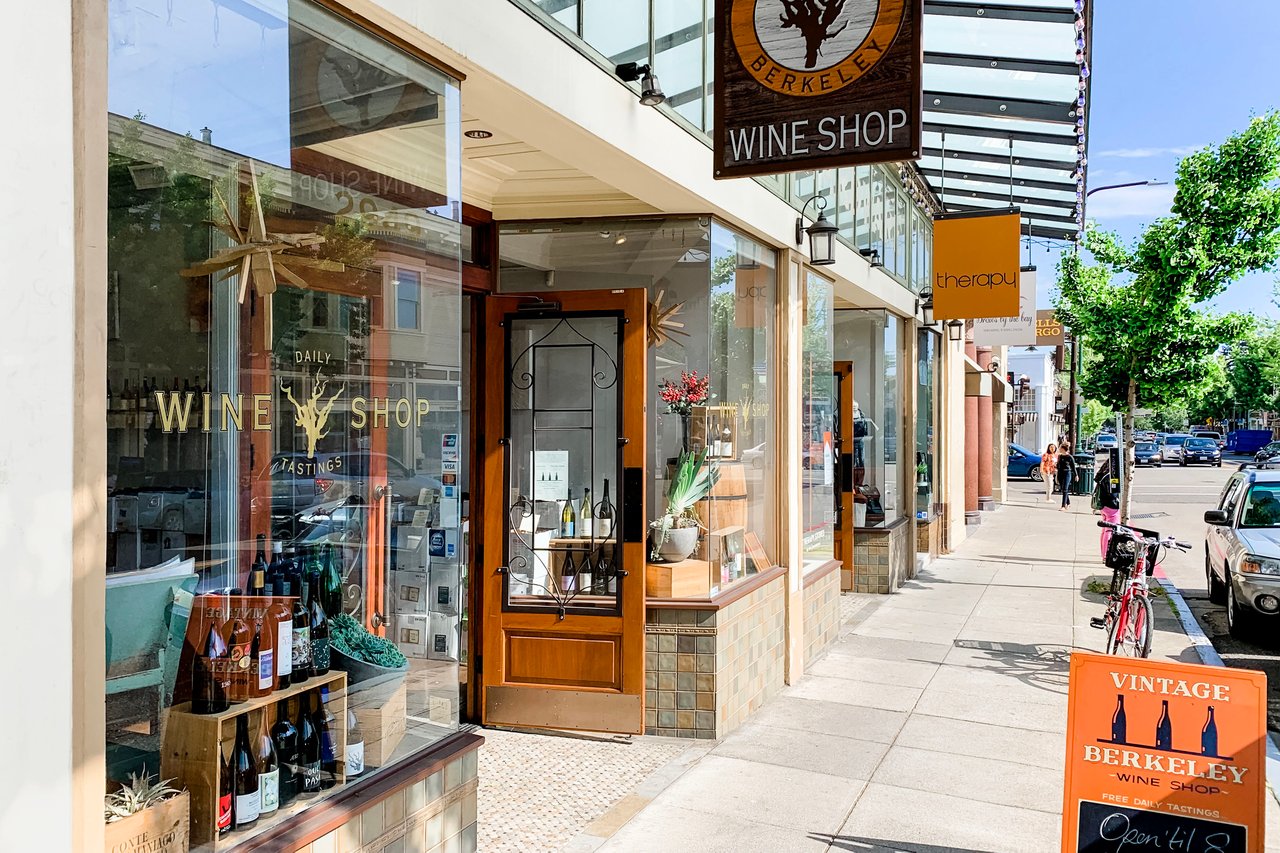
A small cluster of shops near Domingo Avenue offers quick, daily convenience right by the hotel grounds. You can pick up fresh bread and pastries at Fournée, grab a coffee next door, and swing by local neighborhood stores for last‑minute staples. The mix feels low‑key and neighborly, which makes simple errands easy.
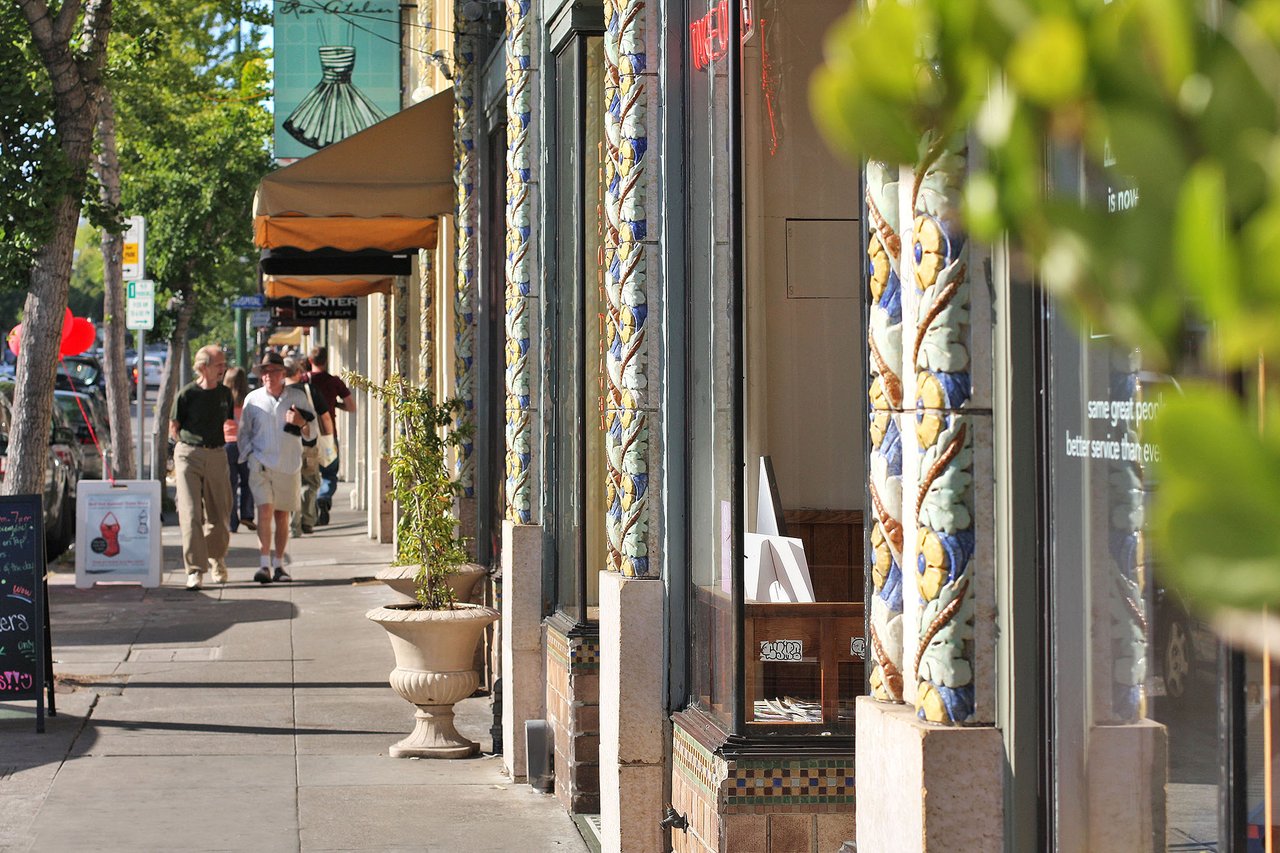
For more choices, you’ll likely head to Elmwood’s College Avenue or over to Rockridge for restaurants, boutiques, and groceries. Many residents combine a morning bakery stop with an Elmwood errand run, then meet friends back near Domingo for an afternoon pick‑me‑up. It’s a compact, practical routine.
The historic hotel and club are a constant touchpoint in local life. The property’s restaurants, spa, pools, tennis, and fitness facilities serve guests and some local members, and the grounds are a visual landmark. Residents often describe the hotel as the neighborhood’s anchor, a place for celebrations and casual meetups. To see current dining and club details, check the Claremont Resort & Club website. If you enjoy local history, the hotel’s background adds even more context to the area’s identity.
Claremont’s backyard is the Claremont Canyon Regional Preserve. Steep trails like the Stonewall–Panoramic route climb quickly to ridge views of Oakland, San Francisco Bay, and the Golden Gate. Locals use these routes for sunrise hikes, quick trail runs, and weekend family outings. Trails can be strenuous in places, and parking is limited near trailheads, so many residents walk or ride to access points.
Just behind the hotel, Garber Park adds a small, wild woodland with community stewards who maintain trails and habitat. Explore volunteer updates and trail projects via the Garber Park Stewards. For broader recreation, Tilden Regional Park is a short drive away for picnics, lakes, botanic gardens, and longer loops.
Claremont is set up for easy local walking, supported by nearby transit and straightforward driving connections. For many residents, Rockridge is the nearest BART station for rail access. AC Transit buses run along Ashby and Claremont Avenue, linking to Berkeley and Oakland hubs. Drivers use Tunnel Road and Highway 24 for cross‑tunnel commutes and quick trips to UC Berkeley and downtown Oakland. For system maps and planning, see the BART overview on 511.
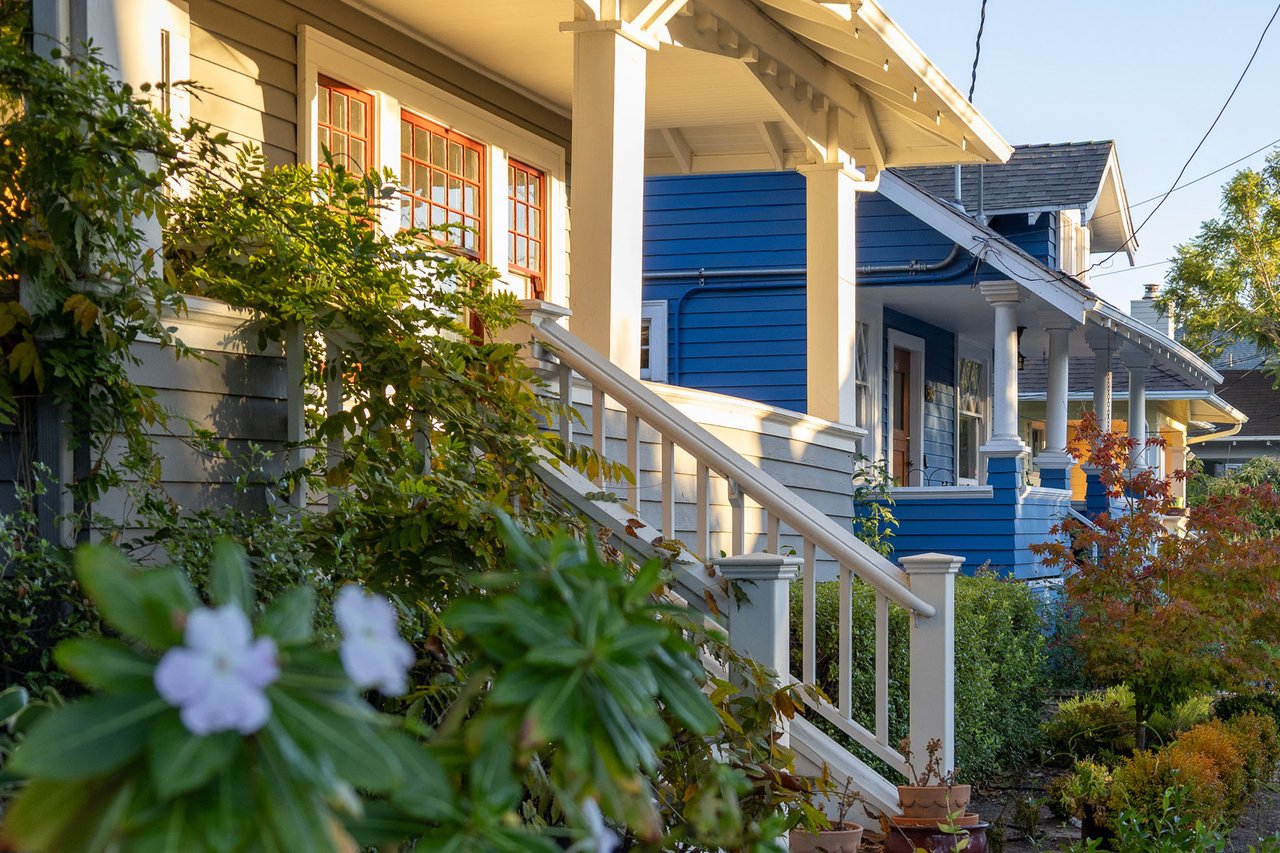
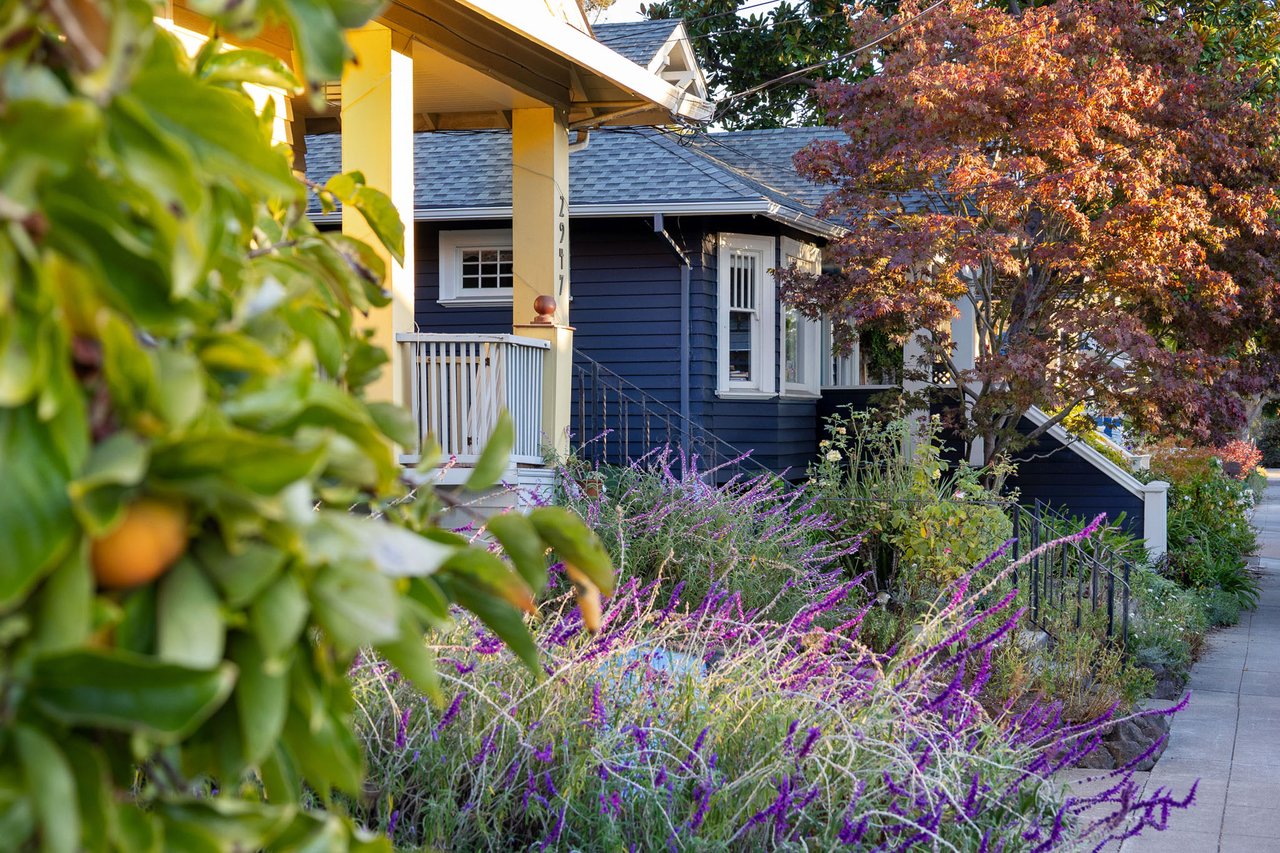
Claremont blends early 20th‑century charm with hillside drama. You’ll find period bungalows and Craftsman homes, Prairie‑influenced designs, Tudor and other Revival styles near the hotel, and later Mediterranean and Spanish stucco with tile roofs. Many hillside houses are multi‑level to suit the terrain and to capture light and views.
Lots tend to be smaller on the lower streets and larger, steeper uphill. The overall pattern is leafy and low‑density, with mainly single‑family homes and a few multi‑unit pockets toward College Avenue. The hotel itself is a celebrated Tudor Revival landmark that visually defines the area.
Public school assignment depends on your exact address, because the Berkeley–Oakland line runs through parts of the neighborhood. For Berkeley addresses, nearby public schools commonly associated with the area include John Muir Elementary on Claremont Avenue and Willard Middle. Assignment is governed by Berkeley Unified’s zones and placement rules. Always confirm a property’s assignment directly with the Berkeley Unified School District before making decisions.
Public aggregator snapshots place Claremont and adjacent Elmwood in a higher‑value cluster within Berkeley’s hill neighborhoods, generally in the seven‑figure range. For a current look at trends, see the Claremont–Elmwood view on Realtor.com’s market page, then pair that with on‑the‑ground comparables. Buyers are often university faculty, professionals who value proximity to campus and Rockridge or Elmwood amenities, and households seeking views, trails, and a residential feel. Small‑lot homeowners, downsizers, and move‑up buyers all find good fits here.
If you’re selling, presentation and timing matter. Claremont’s mix of period architecture and hillside siting rewards design‑minded preparation that highlights light, sightlines, and garden spaces. If you’re buying, micro‑location, condition, and privacy influence value street by street.
If you’re thinking about a move, a clear plan and thoughtful preparation will help you get the best result. Whether you want to elevate a listing for top‑dollar or find the right home near trails and transit, let’s talk about strategy, timing, and presentation that fit your goals. Reach out to Caitlin Crawford to start a tailored conversation.
Stay up to date on the latest real estate trends.

Partner with Caitlin for a personalized and seamless real estate experience. With a client-first approach, she provides expert guidance, clear communication, and dedicated support every step of the way. Whether you’re buying, selling, or exploring your options, Caitlin ensures that your goals are met with confidence and ease.