
Berkeley Home Architectural Styles and Daily Living
Caitlin Crawford June 11, 2026
Caitlin Crawford June 11, 2026
Wondering why one Berkeley home feels effortlessly social while another feels quiet, layered, and full of tucked-away corners? In Berkeley, architecture does more than shape curb appeal. It often shapes how you move through your day, where light lands in the afternoon, and how connected you feel to the outdoors. If you are buying, selling, or simply trying to understand what makes a Berkeley home live the way it does, a closer look at local architectural styles can be surprisingly useful. Let’s dive in.
In many cities, style is mostly a visual preference. In Berkeley, it is often part of the lived experience because so much of the housing stock is older. The City of Berkeley has reported that 89% of single-family homes and 85% of 2-to-4-unit homes were built before 1950.
That age profile matters in practical ways. Older Berkeley homes often include porches, built-ins, stair patterns, smaller transitions between rooms, and layouts that evolved over time. So when you walk into a home here, you are not just seeing a style. You are seeing a way of living that may feel very different from a newer open-plan house.
Berkeley is also part of a broader Bay Area design tradition that values regional expression. The National Park Service describes Bay Area architecture as blending buildings with the landscape through wood finishes, numerous windows, courtyards, porches, and spaces that feel open, natural, and informal. In Berkeley, that design logic shows up again and again.
Berkeley’s architectural mix is varied, but a few styles show up often enough to shape how many people experience the city’s housing. City materials commonly reference First Bay Tradition, often called brown shingle, along with Craftsman, Colonial Revival, and later Mid-Century Modern homes.
Each of these styles tends to organize space differently. Some prioritize cozy gathering areas and built-in detail. Others emphasize light, views, and a stronger connection to decks, gardens, or terraces. That is why style can be a smart lifestyle lens when you are evaluating a home.
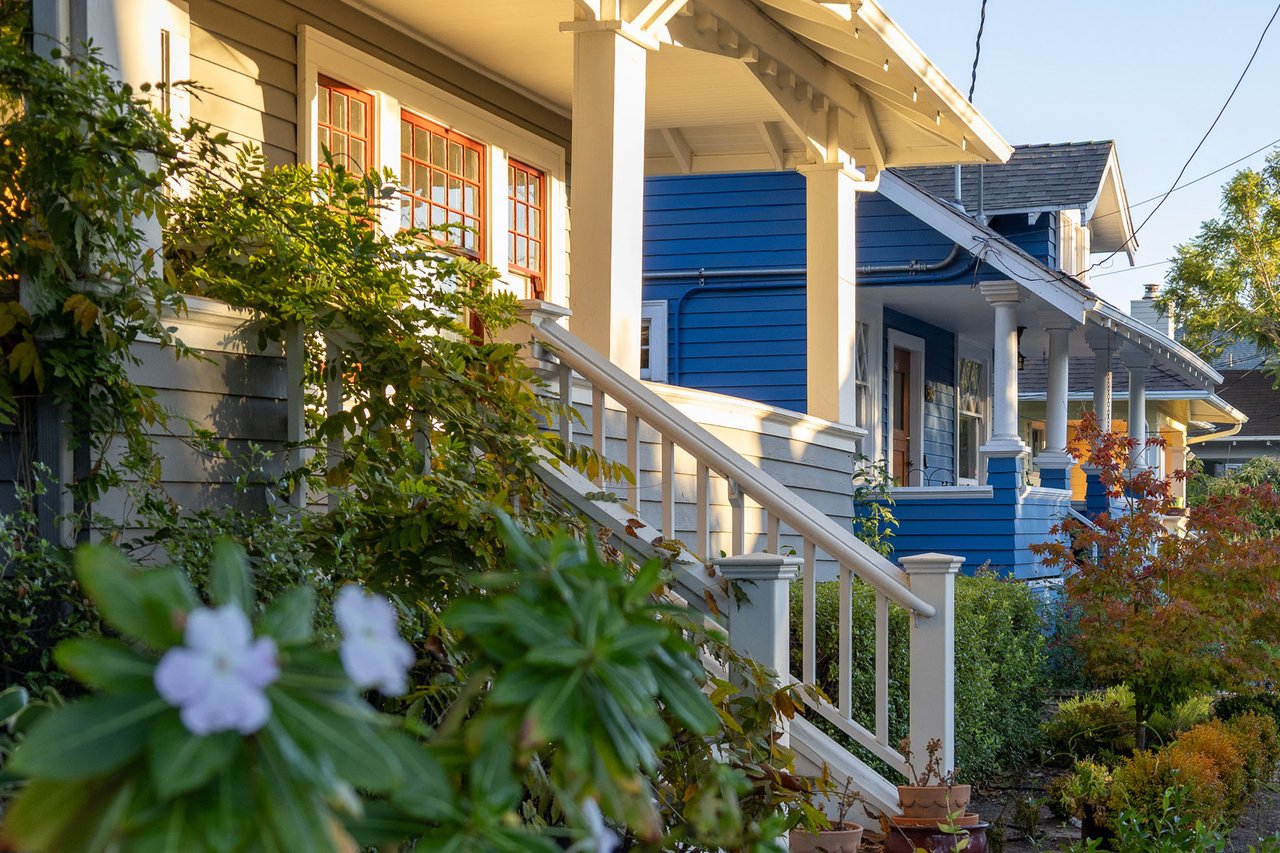
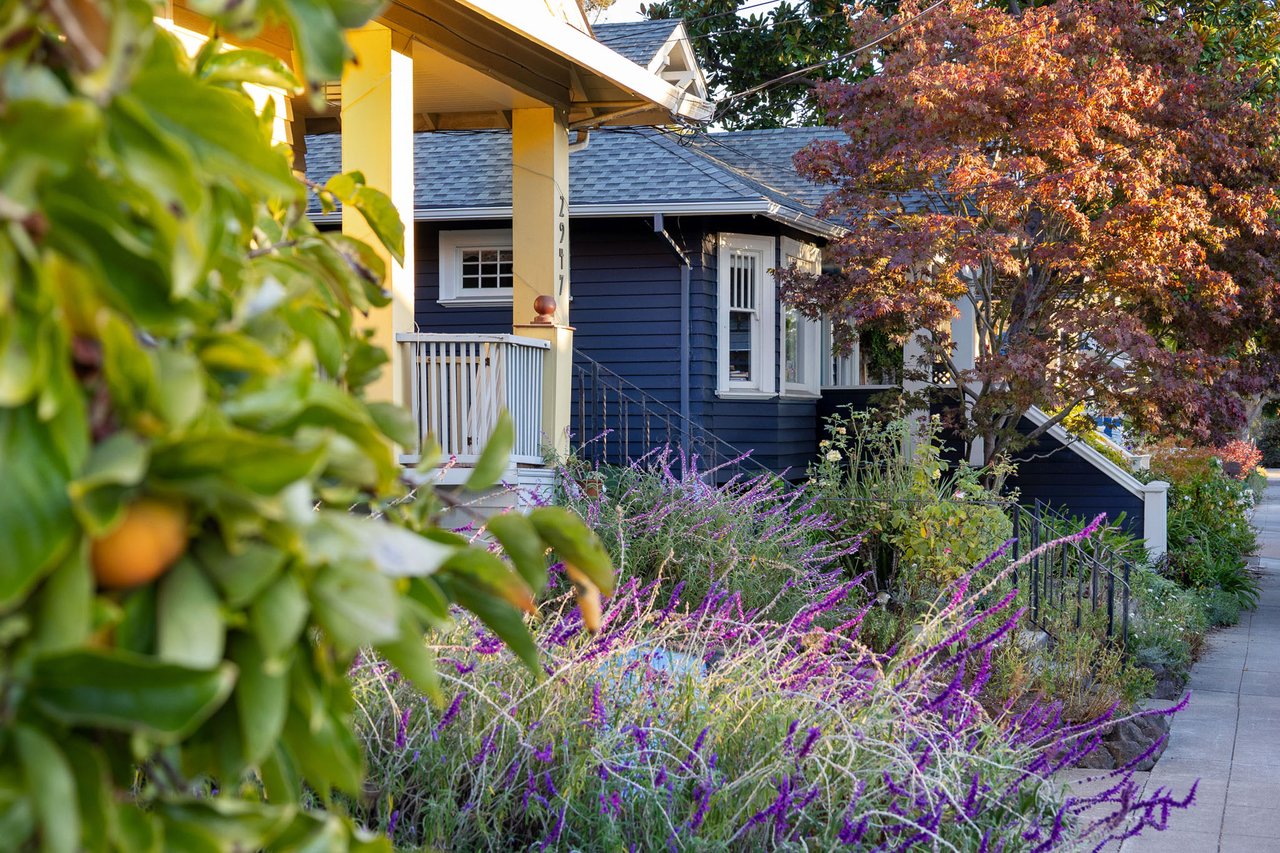
Craftsman bungalows are typically one to one-and-a-half stories, with a low profile, broad gables, and a front porch. The bungalow form was often designed so most living spaces sit on one floor. Interiors commonly include open living and dining areas, wood trim, built-in bookcases or cabinets, and plans that minimize hallways.
That combination often makes a Craftsman feel intuitive and easy to use. The main rooms tend to flow naturally, and built-ins can make the home feel thoughtful and efficient. In day-to-day life, that can translate to a comfortable central gathering space where people naturally spend time together.
If you like homes that feel warm, grounded, and approachable, Craftsman houses often deliver that feeling. The porch can act like an extra living zone, especially in Berkeley’s mild climate. Large windows and a simple relationship between indoor and outdoor spaces can make even a modest footprint feel connected and livable.
The tradeoff is that storage may take more planning. Many Craftsman homes were designed around efficient living rather than large closets or oversized utility spaces. For some buyers, that is a small compromise for character and flow. For others, it is an important consideration.
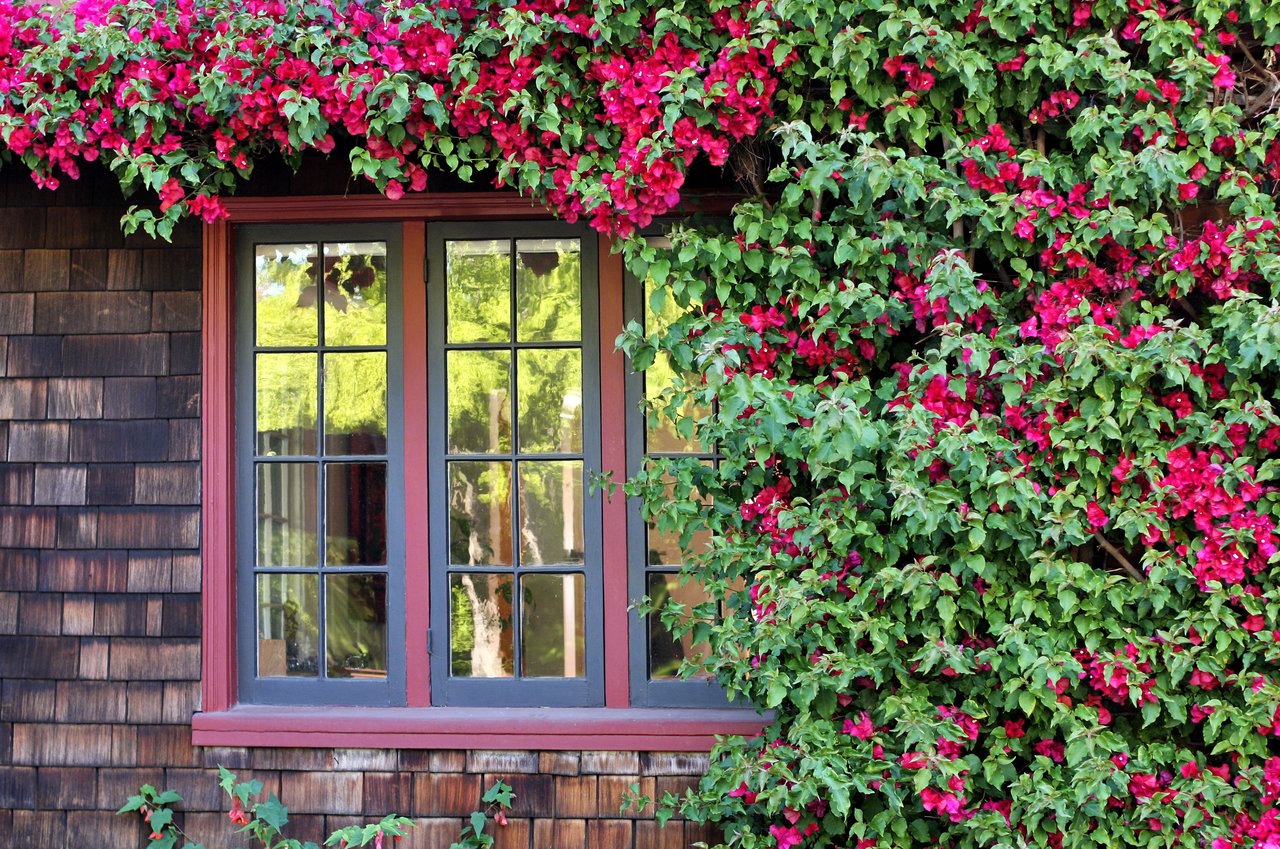
Berkeley’s First Bay Tradition homes, often called brown shingle houses, were especially popular from about 1880 to 1917. City materials describe them as having tall, narrow profiles, asymmetrical plans, prominent porches, steep roofs, wood shingle cladding, and often clinker-brick chimneys.
These homes can feel highly individual because they were often designed as tailored responses to an owner’s needs. Instead of following one standard formula, they often reflect a more custom relationship to site, shape, and daily use. That is part of what makes them so compelling in Berkeley.
Living in a brown shingle home often feels more layered than living in a typical bungalow. You may notice more vertical separation, more distinct transitions between rooms, and a stronger sense that the house responds to its lot rather than forcing the lot to fit the house.
In Berkeley, that can be especially meaningful in areas with changing topography. Light, outlook, and the path from one room to the next may feel more dynamic than in a flatter, more standardized home. If you value personality and a strong sense of place, this style often stands out.
A Berkeley Landmarks Preservation Commission report on a 1948 Mid-Century Modern building describes California hallmarks such as expansive glass walls, horizontal orientation, open floor plans, and integrated outdoor spaces. Docomomo’s Greenwood Common listing in the Berkeley Hills adds low-pitched roofs, wide eaves, wood siding, patios, terraces, decks, and a strong indoor-outdoor relationship.
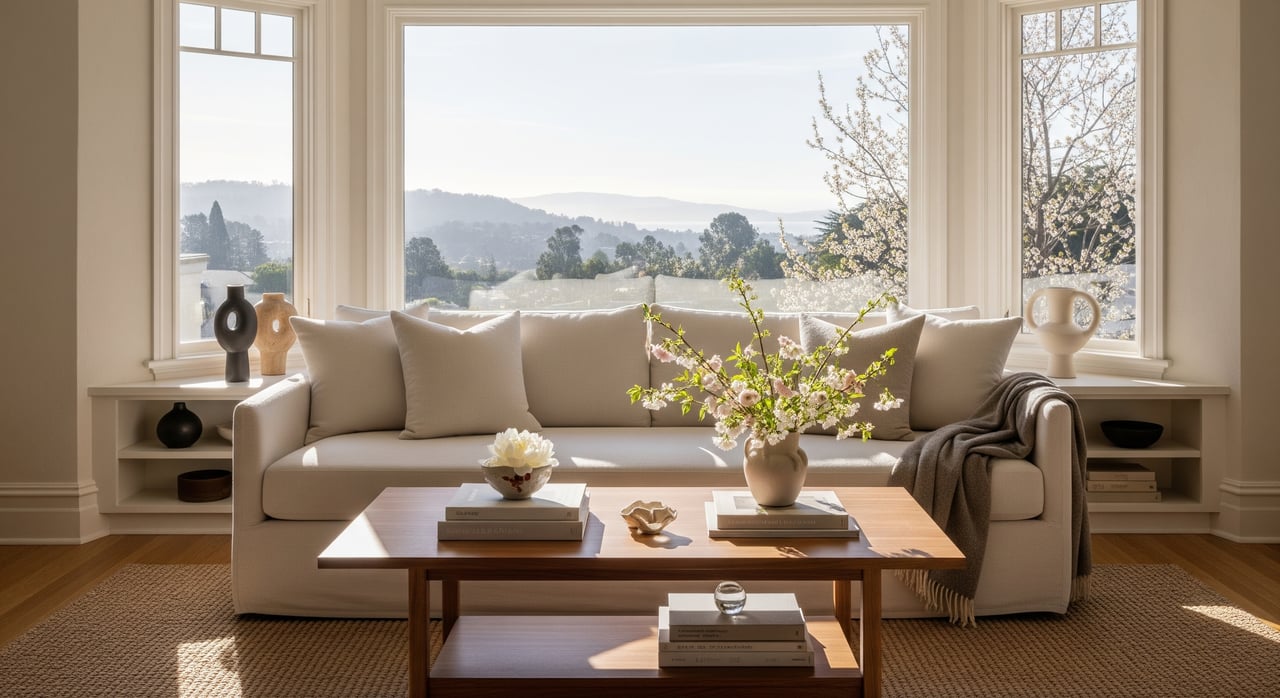
These homes often feel visually lighter than older traditional houses. The glass, open planning, and horizontal lines can create a sense of calm and spaciousness. Even when the square footage is not huge, the home may feel larger because the outdoors becomes part of the experience.
If you love natural light, Mid-Century homes can be especially appealing. The kitchen, dining, and living spaces often relate to one another in a more casual way, making everyday routines feel less formal. Entertaining can also feel easier when the deck, patio, or garden reads as part of the living environment.
The tradeoff is usually privacy and storage. Open plans can carry sound more easily and may require more intentional organization. The National Park Service’s ranch-house study notes that open floor plans were common and that built-ins helped modest homes function better, while some owners still reported limited storage.
Berkeley city staff describe Colonial Revival variants in the city as having hipped roofs, central dormers, deep eaves with corbels, bay windows, classical porch columns, recessed entries, and leaded glass. These details create a more composed and formal exterior presence.
Inside, that often translates to a stronger sense of separation between spaces. While every house is different, homes in this category may feel more structured than a Mid-Century or bungalow plan. For some households, that is exactly the point.
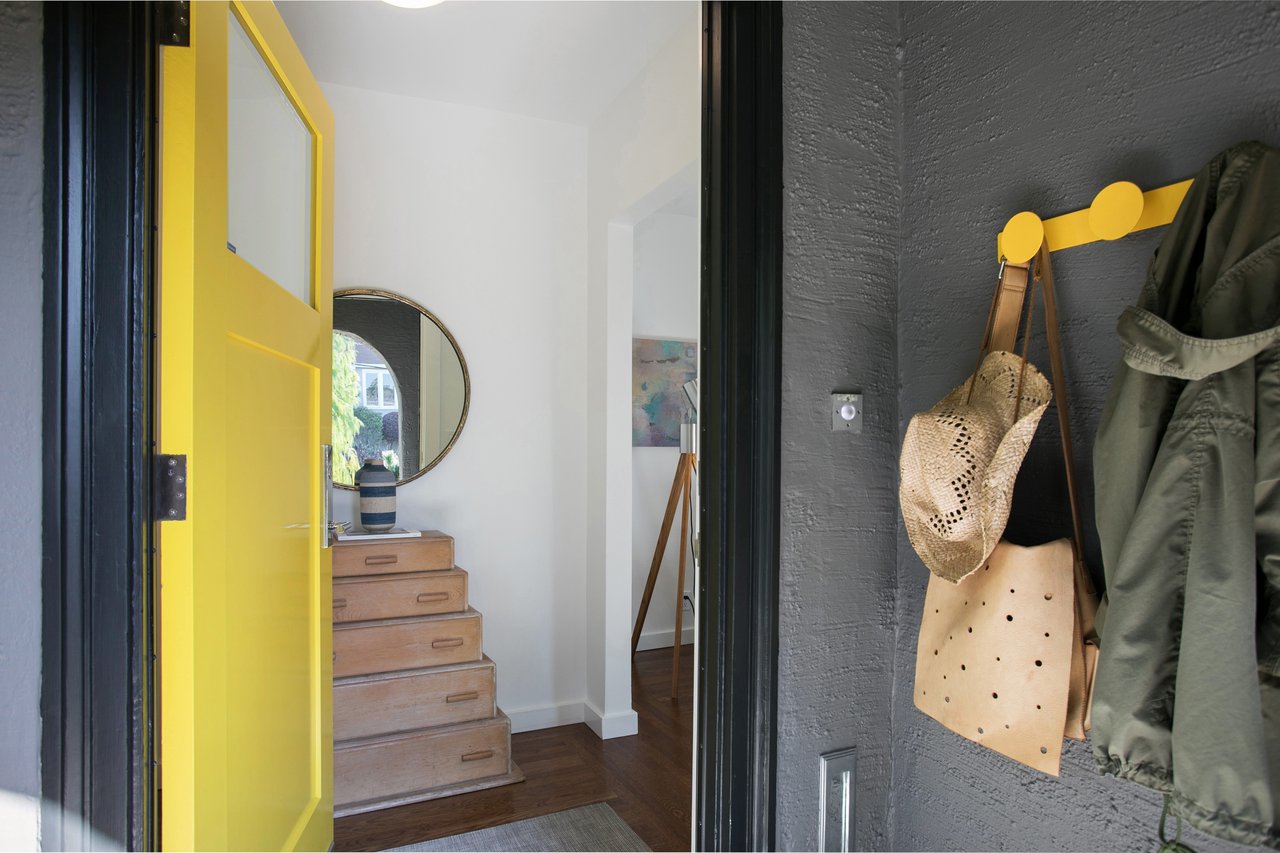
If you want clearer boundaries between public and private space, a more traditional Berkeley home may fit well. Defined rooms can be useful if you work from home, want a quieter reading room, or like the idea of a separate dining space. The entry sequence may also feel more deliberate, which some buyers find welcoming and practical.
This style can be a good match for people who do not want every activity to happen in one shared space. A home with more room separation may support simultaneous routines more easily. That can matter a lot in everyday life.
Berkeley’s climate helps explain why these styles feel so functional here. NOAA’s Berkeley station lists a 1991 to 2020 annual mean temperature of 58.4 degrees, annual precipitation of 26.12 inches, and no snowfall.
That means features like porches, decks, large windows, and indoor-outdoor rooms are not just decorative. They support a way of living that works with the local environment. A front porch can be useful for much of the year, and a deck or terrace can become an extension of the home rather than a seasonal extra.
The Berkeley Hills add another layer. Regional design sources show how Bay Area architecture often uses windows, terraces, and open space to connect interiors to the landscape. In practice, many Berkeley homes feel shaped as much by daylight and outlook as by room count alone.
When you tour homes in Berkeley, it helps to look beyond finishes and staging. Try to notice how the architecture supports your routine. Ask yourself where you would take a morning call, where groceries would land, how guests would move through the house, and whether the layout gives you the privacy or openness you actually want.
A bungalow may offer compact practicality and built-in charm. A brown shingle home may offer a more layered experience shaped by site and light. A Mid-Century house may give you brightness and flow, while a Colonial Revival home may offer stronger room definition and a more formal threshold.
That is why style literacy matters in this market. It helps you evaluate not just what a home looks like, but how it will feel on an ordinary Tuesday.
For sellers, architectural style can guide smart preparation decisions. In Berkeley, buyers often respond strongly to homes that feel aligned with their original design logic. That does not always mean preserving everything exactly as is. It means understanding what makes the home compelling and presenting it in a way that feels coherent.
For example, built-ins, window patterns, original wood detail, or the indoor-outdoor flow of a Mid-Century home may be part of the property’s value story. Thoughtful preparation can help those features read clearly. Design-forward presentation matters most when it reveals how the home lives, not just how it photographs.
Architectural charm in Berkeley can also come with practical implications. The City of Berkeley says designated Landmarks, Structures of Merit, and Historic District properties require a Structural Alteration Permit for exterior changes. The city’s designation criteria include architectural merit, historical or cultural associations, and neighborhood value.
If you are planning a remodel, addition, or exterior update, style is not just an aesthetic topic. It may affect project scope, timing, and which changes need review, especially on street-facing exteriors. For buyers, that is important context before assuming a home can be easily reworked.
This is another reason local guidance matters. In a city with so much older housing, understanding what is original, what has been altered, and what may require permit review can help you plan more confidently.
In Berkeley, the best home for you is not always the one with the trendiest look. It is often the one whose architecture supports the way you actually live. A house can be beautiful and still feel wrong if the room flow, light, privacy, or storage do not match your needs.
That is why it helps to think lifestyle first and style second. Once you understand how Berkeley’s architectural styles shape movement, light, gathering, and separation, you can make better decisions as a buyer or seller. And in a market as nuanced as Berkeley, that kind of clarity can make all the difference.
If you are thinking about buying or selling in Berkeley, working with someone who understands both architecture and micro-market context can help you see value more clearly. For thoughtful local guidance and a design-minded approach, connect with Caitlin Crawford.
Stay up to date on the latest real estate trends.



Partner with Caitlin for a personalized and seamless real estate experience. With a client-first approach, she provides expert guidance, clear communication, and dedicated support every step of the way. Whether you’re buying, selling, or exploring your options, Caitlin ensures that your goals are met with confidence and ease.