Oakland Hills vs Flats Real Estate: How the Markets Differ
Caitlin Crawford July 2, 2026
Caitlin Crawford July 2, 2026
Wondering why two homes in Oakland can feel like they belong to completely different markets, even when they are only a few miles apart? If you are buying or selling in Oakland, the split between the hills and the flats can shape pricing, competition, lifestyle, and even the day-to-day realities of owning a home. Understanding that divide helps you make better decisions, price more strategically, and focus on the micro-market that actually fits your goals. Let’s dive in.
Oakland is often talked about as one city, but the geography tells a different story. City planning documents show that roughly two-thirds of Oakland sits on the flat plain, while about one-third rises into the foothills and hills.
That physical split matters. The steepest slopes are generally found in the hills east of Highway 13 and I-580, while flatter areas include Downtown, West Oakland, most of North Oakland, the Port and Airport, and much of East Oakland. In practical terms, that means the housing stock, commute patterns, and property risks can look very different depending on where you are.
If you look at current market data, the hills generally trade at a higher price point. Oakland overall remains competitive, with a median sale price of $884,471 over the three months ending May 2026, homes selling in about 17 days, and buyers facing about four offers per home.
Hills-leaning ZIP codes and neighborhoods sit well above that citywide number. In 94618, the median sale price was $1.79 million, with homes selling in 14 days and averaging five offers. In 94619, the median sale price was $970,212, with 15 days on market and about three offers. Montclair’s current median sale price is about $1.5 million, and Claremont is around $1.7 million.
That does not mean every hillside home is the same, or that every flat neighborhood is cheaper. It does mean that if you are looking in the hills, you are often entering a market where detached homes, larger lots, and view-oriented properties push pricing higher from the start.
The flats tend to offer a broader spread of price points and property types. In 94607, for example, the median sale price was $535,000, with 37 days on market and a 100.7% sale-to-list ratio.
West Oakland’s all-home median sale price was $687,269 in May 2026, which is much lower than many hill areas. But central flat neighborhoods can also command strong prices. Redfin’s Oakland city guide places West Oakland around $687,000 while Temescal is around $1.2 million, showing how walkability, access, and neighborhood positioning can quickly change the picture.
This is one of the biggest takeaways for buyers and sellers. Oakland is not a one-median city. A broad citywide number can hide major differences between micro-markets.
It is easy to assume the hills are always hotter, but the truth is more nuanced. Well-positioned hillside homes often move quickly and sell well above list, especially when they offer strong views, useful lots, or polished presentation.
In 94618, homes sold for about 122.7% of list price, and in 94619, they sold for about 115.9% of list. Those are powerful numbers that point to real demand.
At the same time, not every flat neighborhood is slow. Some central flat locations remain highly desirable because of transit access, walkability, and the mix of housing choices. Competition in Oakland is often driven less by a simple hills-versus-flats label and more by the specific combination of location, condition, and lifestyle fit.
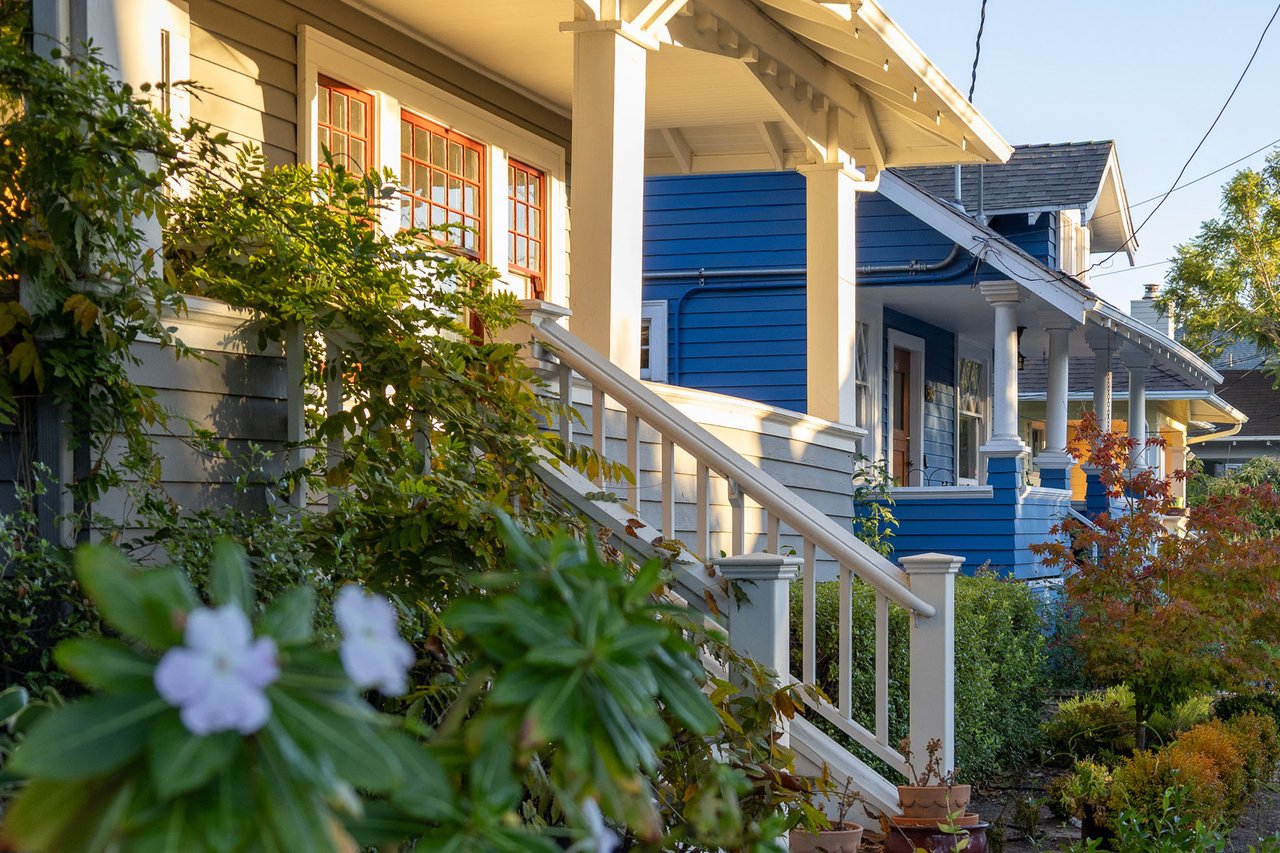
One reason the markets behave differently is that buyers are not shopping for the same kind of home in each area. In the hills, current listings in places like Montclair and Claremont often emphasize single-family homes, wooded settings, decks, bay views, detached studios, and larger lots.
That creates a certain kind of value proposition. Buyers in hillside areas are often weighing privacy, scenery, indoor-outdoor living, and the feel of a detached home in a more natural setting.
The flats, especially central and west-side neighborhoods, lean more mixed-density. West Oakland currently has a wide range of inventory, including condos, townhomes, and multi-family properties, and listing language often highlights efficient layouts and commuter-friendly access.
For many buyers, that means the flats can offer lower-maintenance options and different entry points into the market. For sellers, it means marketing strategy should match the property type and what buyers in that specific pocket care about most.
This is where Oakland gets especially interesting. Even within a single ZIP code, the range can be wide enough to make broad assumptions risky.
In 94618, recent closed sales ranged from a $485,000 two-bedroom condo to a $1.83 million three-bedroom home. Days on market ranged from 37 to 194 days, and sale-to-list outcomes ranged from 3% under list to 41% over list.
In 94607, current listings range from a $299,000 one-bedroom condo to homes priced above $775,000. That is why serious buyers and sellers need to look beyond the headline numbers and evaluate the micro-market, housing type, and condition of the home itself.
Another major difference is how people move through the city. Oakland’s BART network is concentrated in the flat core, serving stations including 12th Street/Oakland City Center, 19th Street Oakland/Uptown, Lake Merritt, MacArthur, West Oakland, Fruitvale, and Coliseum.
That gives many flat neighborhoods a built-in access advantage. If your routine depends on BART or if you value being close to transit, certain flat neighborhoods may compete strongly with higher-priced hill areas because they support a different kind of daily convenience.
The walkability contrast also helps explain buyer behavior. Redfin’s city guide lists Montclair with a walk score of 45, while Temescal is 95. Those numbers are not the whole story, but they show why some central flat neighborhoods can attract intense demand even when the housing style differs from the hills.
Living in the hills often means a different rhythm. The commute may be less about walking to a station and more about driving to transit, freeway access, managing parking, and navigating narrower roads.
The City of Oakland’s Hills Fire Safety Parking Project exists in part because narrow streets in hill neighborhoods can block emergency vehicles. The city also notes that bicycling in the hills is more challenging and requires technical skill and stamina.
None of that makes the hills less desirable. It simply means that the appeal of views, privacy, and larger lots often comes with practical considerations that buyers should understand clearly before making a move.
One of the clearest differences between the two submarkets is risk profile. Oakland treats the hills as a wildfire-management priority, and the city says the Wildland-Urban Interface Fire Area, also called the Very High Fire Hazard Severity Zone, must maintain defensible space.
The city’s Vegetation Management Unit inspects roughly 26,000 parcels in the WUI Fire Area each year. Oakland also says it expanded its Very High Fire Hazard Severity Zone because of serious wildfire risk throughout the hills.
Landslide and drainage issues also matter more on steep slopes. According to the city, heavy rain and burn scars can trigger landslides, and steep hills plus impervious surfaces can concentrate stormwater and increase flow speeds.
For buyers, that means a hillside purchase often calls for closer attention to slope, drainage, defensible space, parking, and access. For sellers, it means strong preparation and clear positioning can help buyers understand both the benefits and the responsibilities of the property.
If you are choosing between the hills and the flats, the decision is not just about budget. It is about how you want to live and what tradeoffs matter most to you.
You may prefer the hills if you are drawn to:
You may prefer the flats if you value:
The key is to compare homes within the right micro-market instead of assuming one part of Oakland always performs better than another.
If you are selling, the hills-versus-flats distinction affects pricing strategy, presentation, and buyer targeting. A hillside home may need its views, lot usability, and setting presented with care, while a flat-area condo or townhome may need the marketing to focus on layout, convenience, and access.
That is where local nuance matters. Two homes with similar square footage can attract very different buyers depending on terrain, transit, housing type, and neighborhood feel.
For sellers especially, this is why broad city averages can be misleading. The strongest pricing and marketing decisions come from understanding your specific block, buyer pool, and competitive set.
If you want help reading Oakland through a true micro-market lens, Caitlin Crawford offers thoughtful, high-touch guidance grounded in neighborhood knowledge and clear strategy.
Stay up to date on the latest real estate trends.






Partner with Caitlin for a personalized and seamless real estate experience. With a client-first approach, she provides expert guidance, clear communication, and dedicated support every step of the way. Whether you’re buying, selling, or exploring your options, Caitlin ensures that your goals are met with confidence and ease.