
How to Sell a Luxury Home in Claremont and the Hills
Caitlin Crawford May 21, 2026
Caitlin Crawford May 21, 2026
If you are selling a home in Claremont or the Hills, you are not marketing a standard East Bay listing. You are presenting a home shaped by architecture, terrain, light, and often a very specific place in the neighborhood’s story. That means your pricing, preparation, photography, and launch strategy all need to work harder and with more precision. Let’s dive in.
Claremont and the Berkeley Hills operate like micro-markets, not broad regional averages. March 2026 data show the Berkeley Hills with a median sale price of $1,499,500, about 15 days on market, and an average of five offers, with 86.4% of homes selling above list price. In Berkeley’s Claremont neighborhood, the median sale price was even higher at $3.4 million, with homes taking about 20.5 days to sell.
That pricing sits far above broader local benchmarks. Oakland citywide was at $870,000, and Alameda County was at $1.1 million in the same period. In other words, these hillside and border neighborhoods are not best understood through countywide or citywide averages.
This matters because buyers in these areas are often evaluating more than square footage and bedroom count. They are weighing setting, architectural identity, outlook, privacy, and how a home relates to the land. A marketing plan has to reflect those priorities from the start.
Claremont is a good example of why details matter. March 2026 data tracked Berkeley-side Claremont at a median sale price of $3.4 million, while Oakland-side Claremont was at $1.7 million. That gap shows how important it is to market the home based on its exact location rather than broad labels.
For sellers, that means your pricing story, comparable sales, and audience strategy should match the property’s specific side of the border. A home may share a hillside feel with nearby properties, but buyers still respond to city lines, neighborhood definitions, and local market expectations. Precision builds credibility and helps you avoid a generic launch.
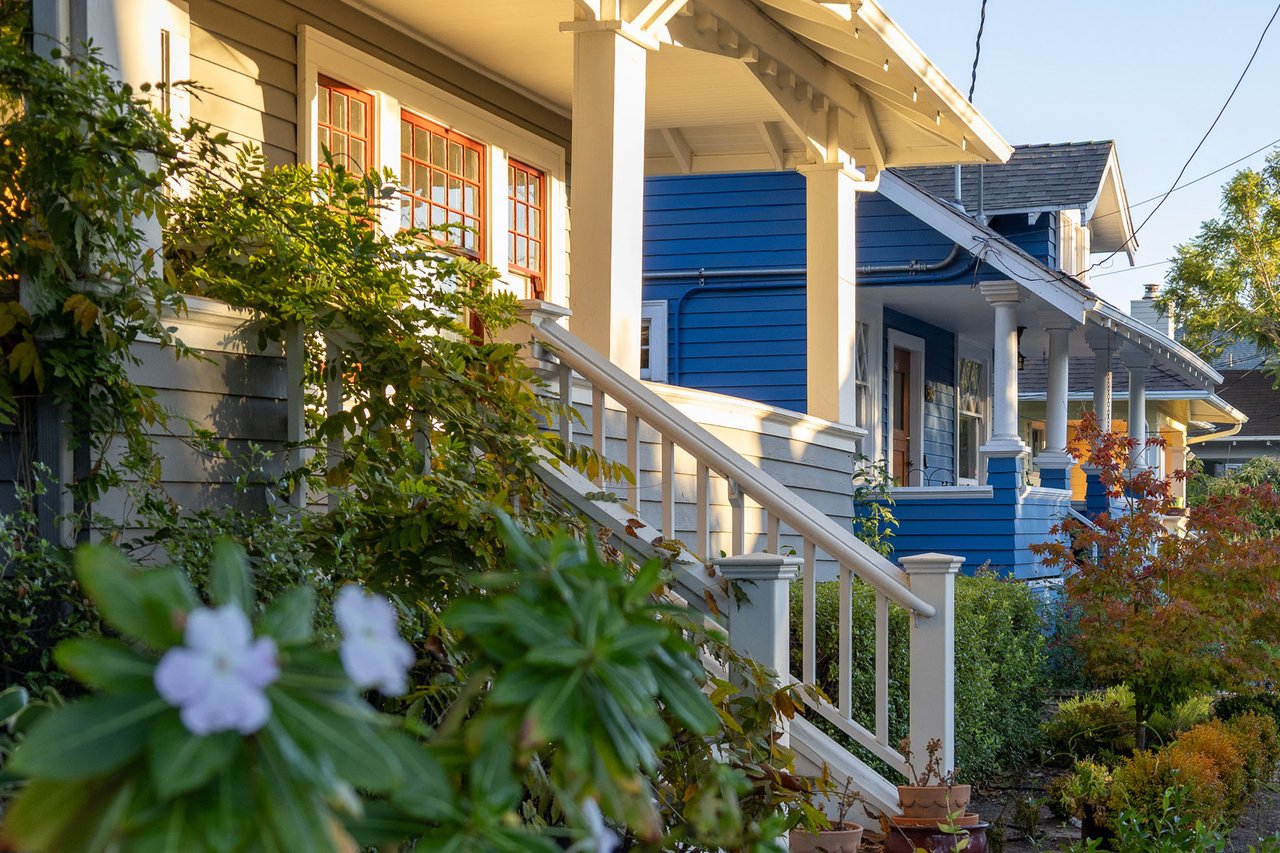
In Claremont and the Hills, a distinctive home is often one where the structure and site feel inseparable. Berkeley planning materials describe a natural setting defined by hillside silhouettes, Bay views, and strong afternoon light. They also note that much of the city’s built environment dates from 1875 to 1940, with a strong architectural legacy tied to the Arts and Crafts movement.
That local context changes how a home should be presented. A seller is not simply offering rooms and finishes. You are offering a relationship between the house, the lot, the light, and the neighborhood’s architectural character.
Historic and preservation materials reinforce that point. In hillside Berkeley areas such as Panoramic Hill, the local record highlights notable architects, panoramic views, paths, steps, and street patterns that fit the landscape. Claremont-area preservation materials similarly show that architectural lineage and design merit are valued parts of the home itself.
When a home has recognizable style, original details, or a clear design lineage, those elements should not be buried deep in the listing description. They should be part of the lead narrative. In this market, architectural specificity helps buyers understand why the home is different and why it belongs in a premium conversation.
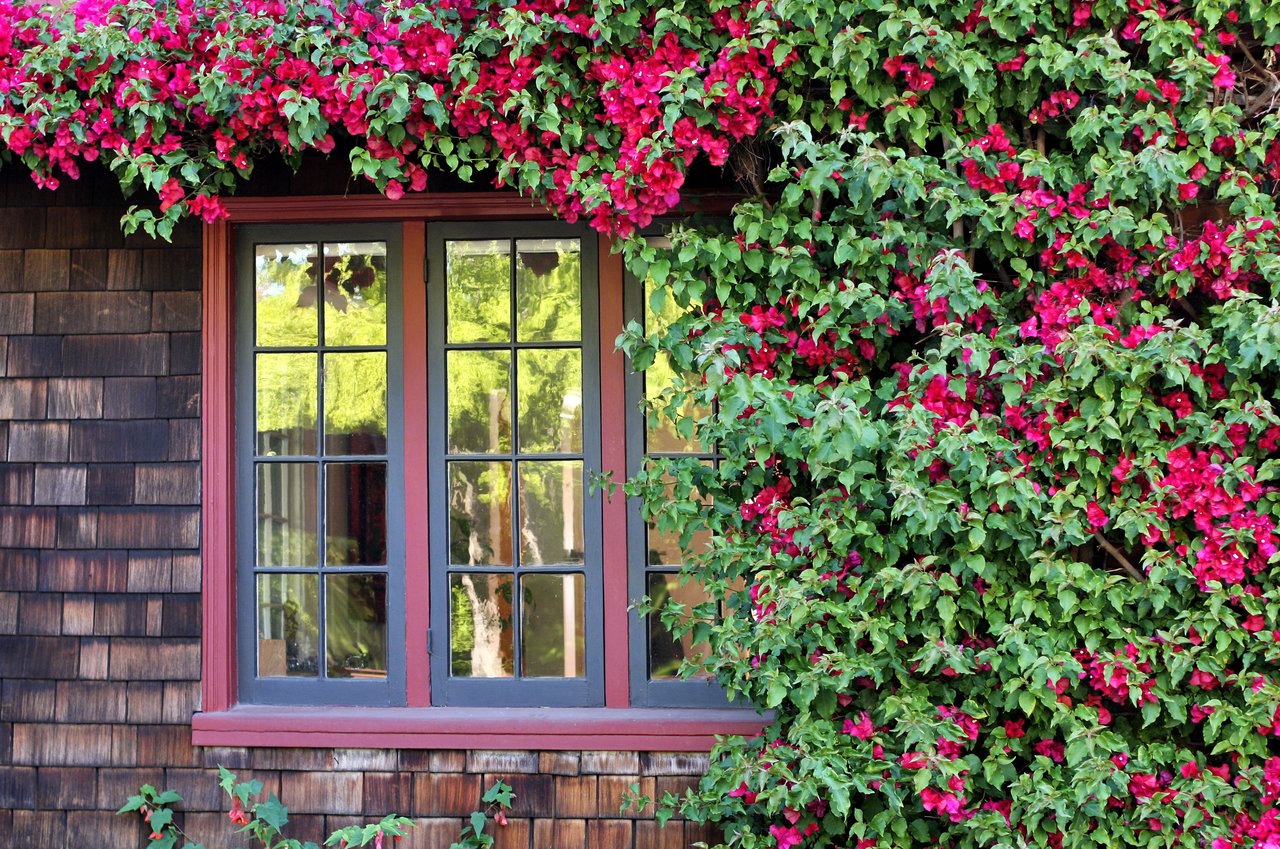
That does not mean using vague luxury language. It means naming what is real and meaningful, such as Craftsman influence, Bay Area design character, original millwork, period windows, a dramatic stair sequence, or a thoughtfully integrated indoor-outdoor plan. Buyers respond better to concrete details than to broad adjectives.
Berkeley home trends also support that idea. In winter 2025, higher sale-to-list ratios were associated with specific features like a staircase, driveway, breakfast nook, pantry, workshop, breakfast bar, and tankless hot water heater. The lesson is simple: details sell better than generalities.
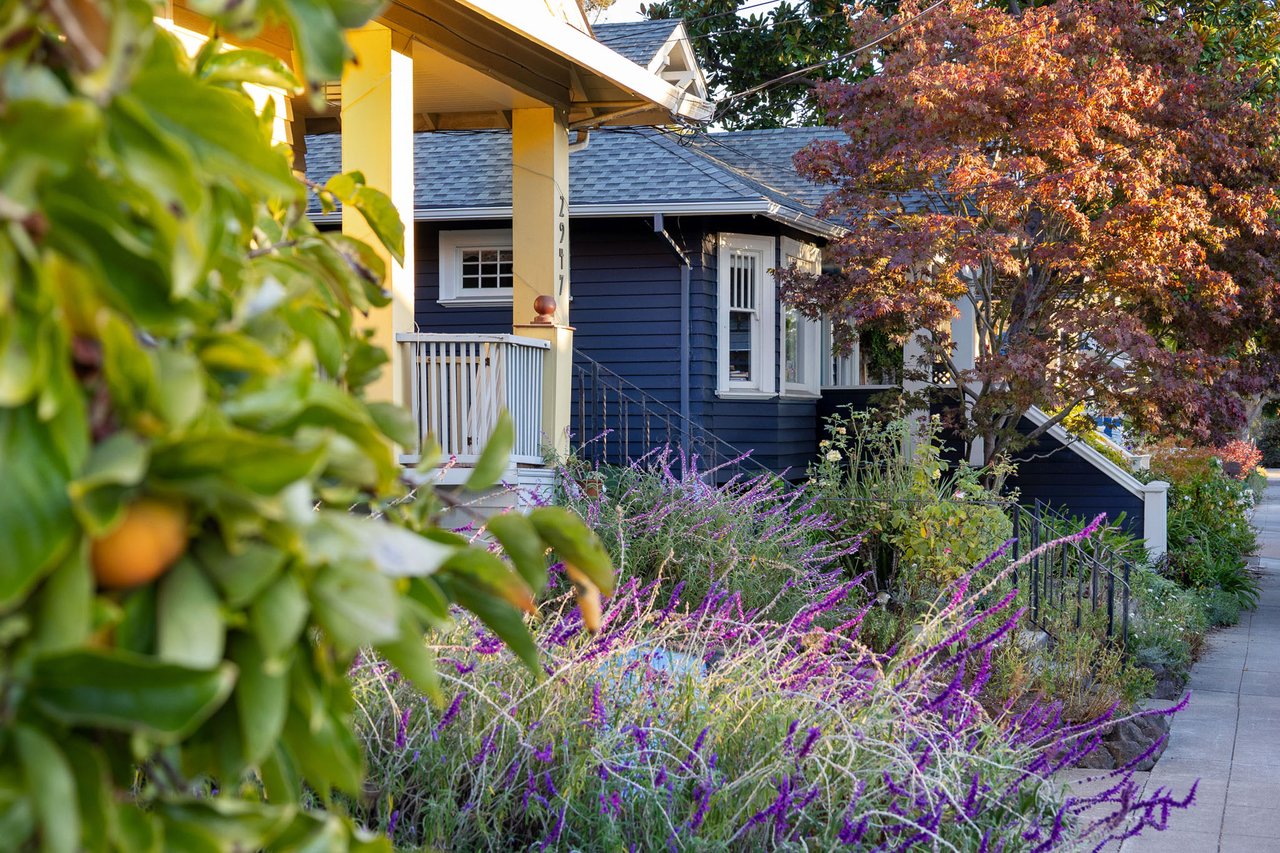
For many Claremont and hillside homes, the most important value drivers are visible before a buyer ever reaches the front door. The approach, the elevation, the way the home meets the slope, and the framing of the view all shape first impressions. A strong launch should show those features early.
That often means highlighting:
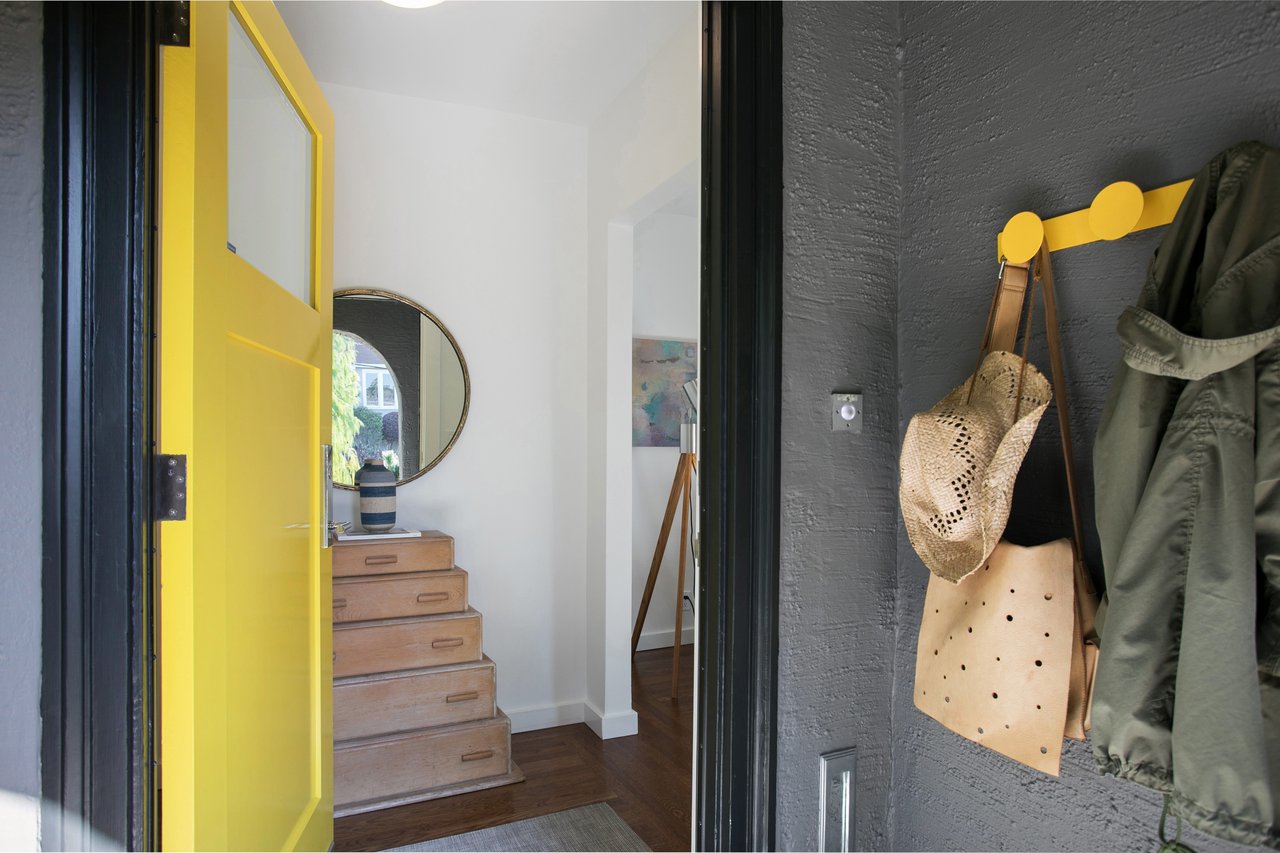
Inside the home, photography should show how rooms connect and how natural light moves through the space. In a hillside setting, buyers often want to understand the full experience of the property, not just isolated room shots. The best visuals tell a site story as much as an interior story.
A distinctive home needs listing copy that helps buyers picture living in the space without relying on exaggeration. In Claremont and the Hills, that usually means describing how the home sits, what the light does, how views are framed, and which original or architectural details carry value.
For example, it is more useful to describe a breakfast nook facing the garden, a workshop below the main level, or a driveway that improves day-to-day access than to call a home simply elegant or special. Specific language creates trust. It also helps buyers remember the property after they have seen several homes in a competitive market.
This is where a design-forward marketing approach matters. Thoughtful preparation, strong photography, and well-written copy should work together so that each part of the presentation reinforces the same message about the home’s identity.
Some higher-value sellers want a more discreet process, and that can make sense in this market. Privacy matters to many homeowners in Claremont, Berkeley Hills, and nearby upper-market neighborhoods. At the same time, broad exposure still matters when the goal is strong price discovery.
The right strategy often balances both goals. You can pursue refined, carefully managed marketing while still reaching the buyers most likely to appreciate the home. What matters is that outreach stays factual, strategic, and compliant with fair housing rules, without limiting exposure in ways that weaken competition.
For a seller, this is one reason direct agent involvement matters. A selective, high-touch process can help you make thoughtful choices about timing, presentation, and buyer reach without losing momentum.
Distinctive hillside homes often need more pre-listing diligence than flatter, newer, or more typical properties. If your home may have historic status or sit within a preservation framework, that should be confirmed before any marketing promises are made about future exterior changes or remodeling potential.
In Berkeley, the Landmarks Preservation Commission designates and reviews properties and districts with historical or architectural significance. Exterior alterations on designated properties may require Structural Alteration Permit review. That makes early fact-finding important, especially for homes with notable age, style, or design history.
Disclosures also deserve careful attention. The California Department of Real Estate says the Transfer Disclosure Statement should be given to a prospective buyer as soon as practicable and before transfer of title. Hazard disclosures may also apply, including those related to very high fire hazard zones and wildland fire risks.
For Oakland hillside properties, sellers should also be ready to discuss practical maintenance and risk issues in a calm, factual way. The City of Oakland identifies its Wildland-Urban Interface Fire Area as the area with the highest wildfire risk, notes annual vegetation inspections for parcels in the zone, and defines Zone 0 as the five-foot ember-resistant area around the home. Oakland also advises property owners on steep slopes to maintain drainage, manage vegetation, cover bare soil, and avoid grading during the rainy season to reduce landslide risk.
Before going to market, sellers of Claremont and hillside homes should usually review:
This kind of preparation helps reduce surprises later. It also gives the marketing a stronger foundation because the presentation is based on facts, not guesswork.
Homes like these usually benefit from a more hands-on process. When the property’s value depends on presentation, staging choices, visual storytelling, vendor coordination, and micro-market pricing, a high-volume approach can miss what makes the home compelling.
A boutique strategy allows more time to shape the story, refine the visuals, and decide what deserves emphasis. That is especially useful in Berkeley and nearby Oakland neighborhoods, where one street, one view line, or one architectural detail can materially affect how buyers respond.
If you are preparing to sell a distinctive Claremont or hillside home, the goal is not just to get it online quickly. The goal is to launch with the right narrative, the right visuals, and the right local context so buyers understand what makes your home truly rare.
If you want thoughtful guidance on pricing, preparation, and presentation for a distinctive Berkeley or nearby Oakland home, request a personalized consultation with Caitlin Crawford.
Stay up to date on the latest real estate trends.




Partner with Caitlin for a personalized and seamless real estate experience. With a client-first approach, she provides expert guidance, clear communication, and dedicated support every step of the way. Whether you’re buying, selling, or exploring your options, Caitlin ensures that your goals are met with confidence and ease.