Selling a 1920s Craftsman or a midcentury bungalow in Oakland can feel like walking a tightrope. You want to protect your home’s character while meeting today’s safety, code, and market expectations. In a slower, more selective market, move-in-ready and well-documented homes tend to stand out. This guide shows you what to inspect, what to fix, what to preserve, and which local rules matter so you can sell with confidence. Let’s dive in.
What today’s buyers expect
Bay Area buyers love original details like wood floors, built-ins, and period trim. They also expect modern, safe systems and clear documentation. In practice, that means a functioning electrical system, a solid roof, reliable plumbing with a tested sewer lateral, and heating and hot water that work.
When inventory rises and days on market stretch, buyers compare more. Homes that pair character with documented repairs, permits, and clean disclosures often win on speed and price. Your goal is to remove risk and highlight beauty.
Know Oakland’s must-do rules
Transfer disclosures are mandatory
California requires a Transfer Disclosure Statement for almost every residential sale. You must disclose known material facts and recent law changes add seller advisories, including guidance to consider an electrical evaluation. Review the state’s requirements in the California Civil Code so you understand what must be delivered to buyers. See the statutory framework for the Transfer Disclosure Statement in California Civil Code §1102.
Lead-based paint rules for pre-1978 homes
If your home predates 1978, federal law requires you to provide buyers with the EPA/HUD pamphlet “Protect Your Family From Lead in Your Home.” You should also use contractors who follow lead-safe practices when disturbing old paint. Share the official pamphlet with buyers and your vendors: Protect Your Family From Lead in Your Home. For any renovation that disturbs paint, hire firms that comply with the EPA’s Renovation, Repair and Painting rule.
EBMUD private sewer lateral compliance
In most of Oakland, you need an EBMUD Private Sewer Lateral (PSL) Compliance Certificate at sale. If the lateral fails, you will repair or replace it or obtain a time extension with a deposit. PSL status is one of the most common escrow hurdles in the East Bay, so test early and plan accordingly. Review the steps and certificate options on EBMUD’s PSL program page.
Permits and unpermitted work
Unpermitted additions, bath or kitchen changes, and mechanical upgrades can slow or derail a sale. Pull records and clarify permit status before listing. If needed, visit Oakland’s One-Stop Permit Center to confirm requirements or to begin correcting issues.
Historic properties and design review
Some homes fall within Oakland’s preservation districts or are designated landmarks. Exterior work may require design review, and qualified historic properties may benefit from the Mills Act tax incentive. If you suspect historic status, confirm details via the City’s Historic Preservation program and keep related documentation with your disclosures.
Seismic retrofits and documentation
Earthquake safety is top-of-mind for buyers. While single-family retrofits are typically voluntary, many sellers highlight completed bracing and bolting, cripple-wall work, or foundation upgrades. Oakland outlines homeowner retrofit guidance and incentives here: Seismic Retrofits.
Insurance and appraisal realities
Several insurers now underwrite older homes more cautiously, especially those with knob-and-tube wiring, old roofs, or other hazards. That can influence buyer financing and timelines. For background on statewide trends and the FAIR Plan context, see the San Francisco Chronicle’s overview of insurance market shifts in California: navigating insurance nonrenewal risk.
Pre-1970 home checklist
Electrical safety
- Identify knob-and-tube or cloth-insulated wiring, undersized fuse boxes, aluminum branch circuits, ungrounded outlets, and overloaded circuits.
- Hire a licensed electrician to evaluate the panel and branch circuits, then document any upgrades with permits and receipts.
- The state’s seller advisory highlights the value of a qualified electrical inspection, which reduces surprises during escrow.
Plumbing and sewer
- Order a PSL test well before listing and plan for possible repair or replacement to secure an EBMUD compliance certificate.
- Fix active supply or drain leaks and consider documenting any recent plumbing upgrades.
Wood-destroying organisms
- Obtain a termite and dry-rot inspection from a licensed Branch 3 operator and complete recommended treatment or repairs.
- Provide the report and any clearance in your disclosure package. Verify licensing via the California Structural Pest Control Board.
Lead and asbestos precautions
- For pre-1978 homes, disclose lead information and use RRP-certified firms for any paint-disturbing work. Reference the EPA’s RRP rule guidance in your vendor selection.
- Do not disturb suspect materials such as old vinyl tiles, insulation, roofing, or siding until tested for asbestos.
Roof, foundation, drainage
- Repair active leaks and document roof condition with an inspection or receipts for recent work.
- Ensure gutters, downspouts, and site grading move water away from the foundation. In hillside areas, review retaining walls and slope stability.
- For permit and inspection steps, consult Oakland’s Building Inspections resources.
HVAC and water heater
- Verify that heating and hot water systems operate safely. If equipment is near end-of-life, get maintenance records or replacement quotes.
- Note any energy-efficient upgrades or available incentives in your disclosures and marketing.
Prioritize improvements that matter
Priority A — Safety and compliance first
- Correct electrical hazards and document with permits and receipts.
- Secure PSL compliance by testing early and finishing repairs, or plan for a time extension.
- Treat active termite issues and repair associated damage.
- Follow EPA lead-safe practices for any paint work and deliver the lead pamphlet at disclosure.
- Resolve unpermitted work where practical, or disclose clearly on the TDS.
Priority B — Systems that impact underwriting
- Roof condition, HVAC, water heater, and a modern electrical service influence insurance and lender decisions. Provide clear proof of work.
Priority C — Character-sensitive cosmetics
- Fresh, neutral interior paint and selective exterior touch-ups.
- Refinish or polish original wood floors and preserve intact moldings and built-ins.
- Targeted kitchen refreshes such as cabinet paint, updated hardware, lighting, and an affordable new countertop when it moves the needle.
- Simple landscaping, trimmed hedges, and a tidy entry for curb appeal.
Priority D — Major projects only when justified
- Full remodels or additions can be costly and time-consuming. In many cases, buyers prefer to tailor big projects themselves.
- If you do pursue an ADU or structural change, coordinate early with the One-Stop Permit Center and evaluate the return on investment for your micro-market.
Your 6–10 week prep timeline
6–10 weeks before listing
- Book a general home inspection, a Branch 3 termite inspection, and an electrical evaluation.
- Check PSL status and schedule testing with an East Bay-experienced plumber. Start bids for any urgent work.
- Identify unpermitted items and consult Oakland’s permit resources on next steps.
4–6 weeks before listing
- Complete safety and compliance items you plan to fix: PSL repairs, electrical hazards, and termite treatment.
- Collect invoices, permits, certificates, and a file of photos and manuals.
- If PSL work cannot finish in time, learn how EBMUD’s time extension process works on the PSL program page.
2–4 weeks before listing
- Finalize paint touch-ups, lighting swaps, deep cleaning, and landscaping.
- Stage to highlight period details like built-ins, coved ceilings, and hardwoods while keeping the palette light and cohesive.
- Photograph the home after work is complete and assemble your disclosure package.
At offer and escrow
- Deliver the TDS and required local reports, including the lead pamphlet for pre-1978 homes.
- Provide the WDO report or clearance, PSL Compliance Certificate or time extension paperwork, permit receipts, and any seismic retrofit documentation.
- Be ready to negotiate credits or repairs if financing or insurance contingencies surface.
Presentation that honors character
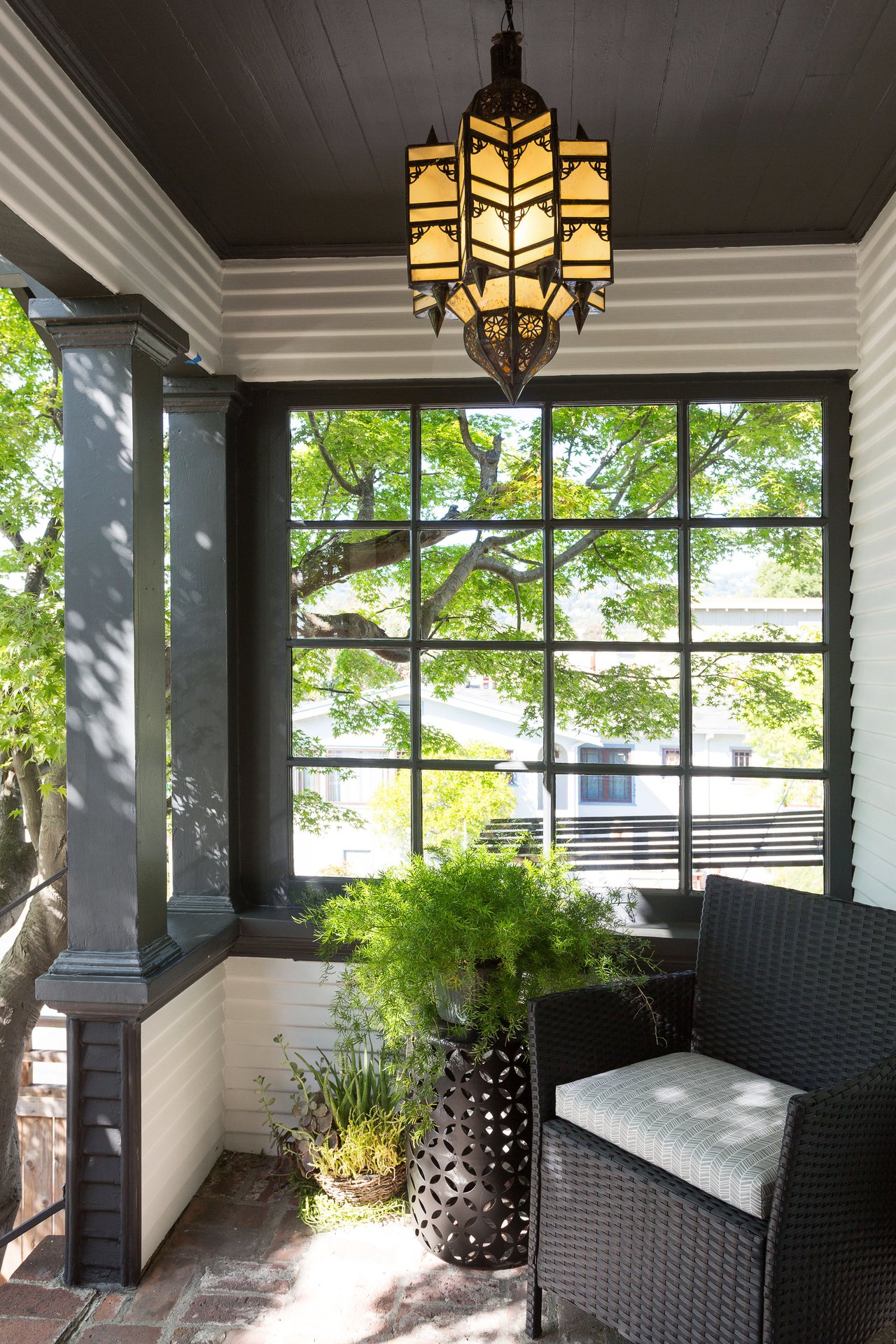
A light, neutral paint palette lets original millwork and floors shine. Use warm bulbs and updated fixtures to lift dim corners. Keep window treatments simple so natural light and architectural lines read clearly. In the kitchen, small edits like a new faucet, hardware, and a statement pendant can modernize the space without erasing vintage charm.
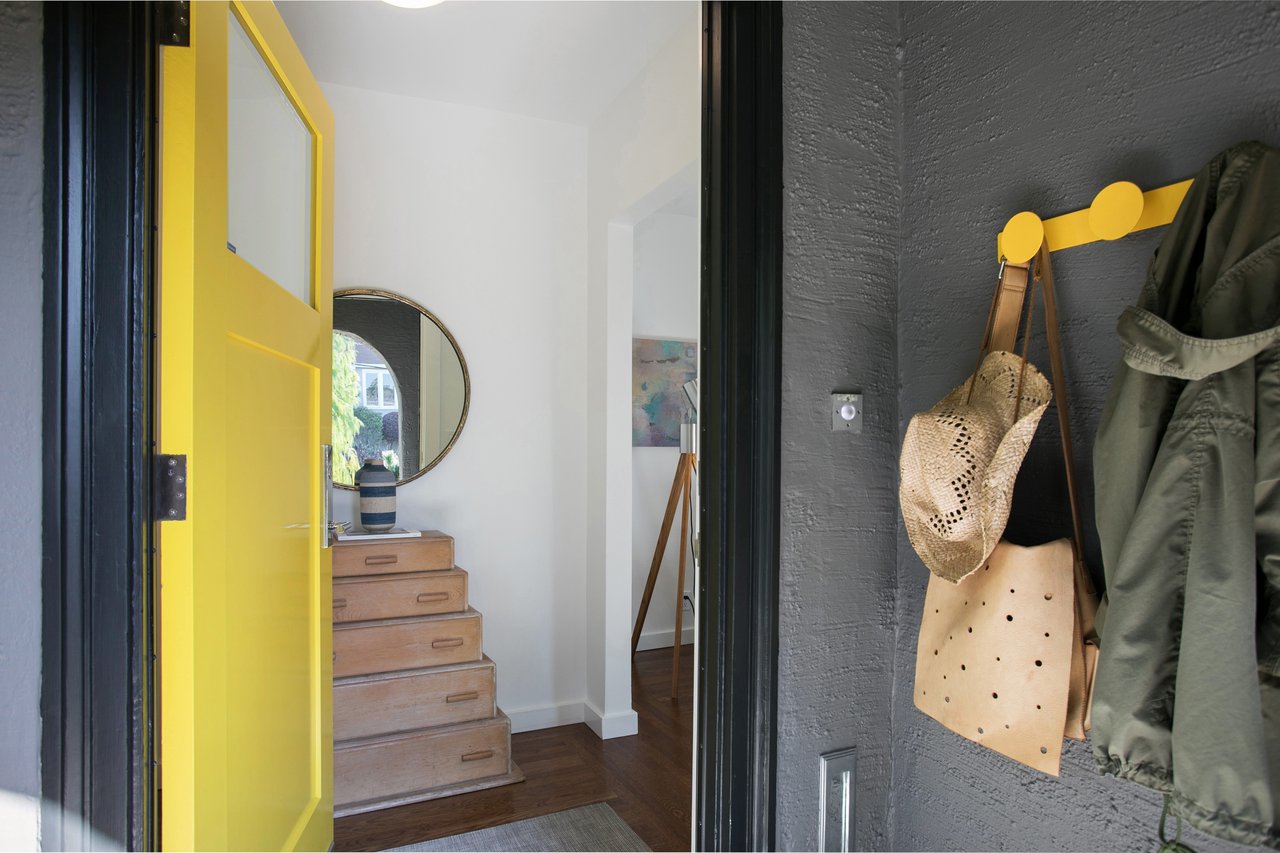
Outdoors, aim for a clean, well-defined entry. A pruned tree, fresh mulch, and a single bold front door color can add just enough personality. Keep landscaping low-maintenance to reassure buyers about ongoing care.
Who to hire
- An East Bay listing agent who understands older Oakland homes, local disclosures, and buyer expectations.
- A licensed electrician for panel and wiring evaluations.
- An EPA RRP-certified contractor for any paint-disturbing work.
- A licensed Branch 3 pest operator for termite inspections and reports. Verify licensing through the Structural Pest Control Board.
- A plumber experienced with EBMUD PSL testing and paperwork, using the PSL program requirements as the roadmap.
- A structural engineer if you are evaluating foundation, slope, or seismic upgrades, guided by Oakland’s Seismic Retrofits page.
- A preservation-minded designer or consultant if the home is in a designated district, using the City’s Historic Preservation resources to confirm status.
The bottom line
Today’s Oakland buyers want the best of both worlds: enduring character with safe, documented systems. When you lead with compliance, support it with clear records, and finish with thoughtful presentation, you reduce risk and invite stronger offers. If you are ready to create a tailored prep plan for your pre-1970 home, connect with Caitlin Crawford to request a personalized consultation.
FAQs
What is the EBMUD PSL requirement at sale in Oakland?
- Most properties must have a current Private Sewer Lateral Compliance Certificate from EBMUD to close escrow, or use a time extension with a deposit if repairs cannot be completed before closing. See the steps on EBMUD’s PSL program page.
Which disclosures are required for California home sellers?
- You must provide the Transfer Disclosure Statement and other statutory notices, disclose known material defects, and, for pre-1978 homes, deliver the EPA lead pamphlet. Reference California Civil Code §1102 and the EPA’s lead pamphlet.
Do I need lead-safe contractors for prep work on an older home?
- Yes, if your home predates 1978 and you plan to disturb painted surfaces, hire firms that follow the EPA’s RRP rule and keep their certifications on file.
What are the most cost-effective updates before listing?
- Focus on safety and documentation first, then tackle high-impact basics: neutral interior paint, lighting updates, wood floor refinishing or polishing, simple landscaping, and a targeted kitchen refresh with new hardware and fixtures.
How do historic districts affect my sale prep?
- Historic or landmark properties may need design review for exterior changes, and qualifying homes may benefit from Mills Act tax incentives. Confirm status and rules through Oakland’s Historic Preservation program.
Will older systems affect buyers’ insurance or loans?
- Potentially. Insurers often scrutinize outdated wiring, old roofs, or other hazards, which can influence financing timelines. For statewide context, review the Chronicle’s summary of insurance nonrenewal risk and consult your insurer early.