
Thinking of Moving to Oakland East Bay? Why Buyers Choose It
Caitlin Crawford April 2, 2026
Caitlin Crawford April 2, 2026
If you have been priced out of one Bay Area city or simply want more choices in how you live, Oakland keeps coming up for good reason. Buyers are looking for places that balance character, access, and day-to-day lifestyle, and Oakland offers a lot of that in one city. From historic homes and lofts to parks, transit, and neighborhood business districts, Oakland gives you options that can feel hard to find elsewhere. Let’s dive in.
One reason many Bay Area buyers are choosing Oakland is simple: it does not feel like one-note housing market. Oakland’s 2025 Consolidated Plan shows a city with broad demographic diversity, while also noting that neighborhoods remain concentrated by race and income. In practical terms, that means your experience can vary a lot from one area to the next, and buyers often find that appealing when they want a better fit for their lifestyle.
That variety also shows up in the market itself. According to the city’s consolidated plan, which cites a February 2026 Redfin snapshot, Oakland’s median sale price was about $735,000, homes were going pending in about 19 days, and 61.5% of homes were selling above list price. That combination points to a competitive market, but also one where buyers still see enough value to stay engaged.
For many buyers, Oakland works because you can focus less on the city as a whole and more on the neighborhood experience you want. Some areas feel urban and connected, others feel quieter and more residential, and some offer easy access to both.
If you want to compare options carefully, Oakland rewards that approach. The housing stock, business districts, transit access, and outdoor spaces can shift meaningfully from one micro-market to another.
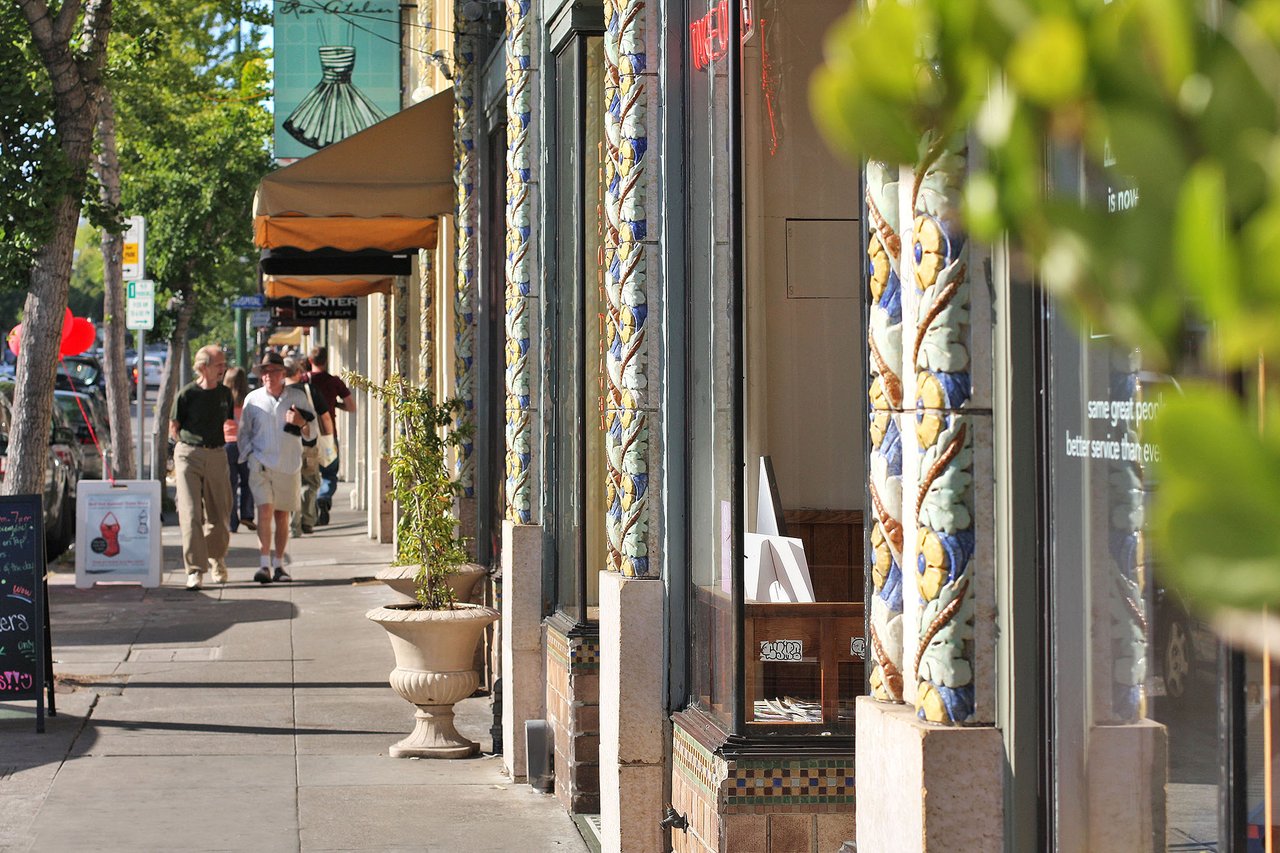
In North Oakland, Temescal is known for its food scene along Telegraph Avenue, pre-war duplexes, bungalows, and arts-and-small-business feel. It often appeals to buyers who want a neighborhood with established character and an active local business corridor.
Nearby Rockridge centers on College Avenue and offers California bungalows, historic cottages, neighborhood retail, and access to the Rockridge BART station. For buyers who value a mix of housing character and transit convenience, it often stays high on the list.
If you want a more urban setting, Uptown serves as Oakland’s arts-and-entertainment core. The area features early- and mid-1900s architecture, Art Deco landmarks, theaters, bars, and a dense restaurant scene that supports a more city-forward lifestyle.
Lake Merritt and nearby Grand Lake offer another version of Oakland living. You will find lakefront access, Art Deco-to-1950s flats, and a strong identity tied to outdoor recreation and everyday activity around the lake.
The City of Oakland describes Lake Merritt as one of the city’s most accessible parks and the nation’s first wildlife refuge. For buyers who want a central location with open space built into daily life, that is a major draw.
If your priority is a more residential feel, Montclair and the Oakland Hills may stand out. These areas are known for storybook cottages, manicured homes, village-like commercial areas, and quick access to hill parks and open space.
That setting can appeal to buyers who want a little more separation from the urban core without giving up Oakland access. It is a different pace, and for some households, that difference is exactly the point.
For buyers drawn to historic and industrial character, Oakland offers strong options there too. The Jack London District brings together bay views, warehouses, storefronts, ferry access, and a loft-style urban feel.
In the historic core, the city identifies Victorian Row in Old Oakland as a preservation district. West Oakland is also widely associated with Victorian homes, industrial buildings, and deep African American cultural history. For buyers who value architecture and a sense of place, those layers of history matter.
In East Oakland, Fruitvale is known for murals, Mexican and Latin American influence, 1920s bungalows, and Mission Revival architecture. It has a strong cultural identity that many buyers find compelling.
The Dimond District, referenced within the same neighborhood coverage, combines 1920s bungalows and Mission Revival homes with access to Dimond Canyon and Sausal Creek. That creates a quieter residential feel while still keeping outdoor access nearby.
Beyond housing, Oakland makes a strong case on day-to-day living. For many buyers, the decision is not just about square footage or price. It is about whether the city supports the routines, interests, and access they want.
Oakland’s food and arts scenes are not limited to one district. According to the city’s arts and culture overview, the Cultural Funding Program provides about $1 million annually in grants and supports public art.
That broader investment helps explain why arts and culture show up across the city. Visit Oakland notes that Oakland First Fridays can draw up to 30,000 people, and Oakland Restaurant Week 2026 includes more than 140 participating restaurants. For buyers, that means the city’s energy is spread across neighborhoods rather than concentrated in only one pocket.
Oakland also stands out for access to nature. Joaquin Miller Park is a 500-acre city park with redwood groves, oak woodlands, creeksides, and meadows.
That is not the only option nearby. The same city source highlights proximity to regional open space, including Reinhardt Redwood Regional Park and Anthony Chabot Regional Park, which offers 3,304 acres and about 70 miles of hiking and riding trails roughly 20 minutes from downtown Oakland. If you want city access without feeling cut off from green space, Oakland checks that box better than many buyers expect.
Commute and mobility are still a big part of the equation for Bay Area buyers. BART lists multiple Oakland stations, including 12th Street, 19th Street, Lake Merritt, West Oakland, Fruitvale, Rockridge, MacArthur, Coliseum, and Oakland International Airport.
That reach matters because it gives buyers more ways to think about location. BART also says the Oakland International Airport station is a short walk from the terminals, and Jack London District materials highlight ferry access as part of the transportation mix. If you need to move around the Bay Area regularly, Oakland offers options that can support a less car-dependent routine in some neighborhoods.
Another reason buyers keep Oakland on the shortlist is the housing stock itself. Many Bay Area cities have attractive homes, but Oakland stands out for how many architectural styles and property types are packed into one market.
According to the city’s Historic Preservation program, about 160 landmarks and preservation districts have been designated since 1973, including nine preservation districts with roughly 1,500 buildings. That helps explain why buyers can find Victorians, bungalows, Art Deco-era buildings, duplexes, and loft-style spaces across different parts of the city.
For design-minded buyers, that variety can be a major advantage. It creates more opportunities to find a home that feels distinctive, whether you are drawn to period details, flexible multi-unit layouts, or industrial-style spaces.
Oakland is not inexpensive, and buyers know that. Still, relative pricing is part of why many shoppers continue to focus here.
According to Redfin’s Oakland housing market data, Oakland’s February 2026 median sale price was about $735,000, while Alameda was about $1.155 million. That gap does not make Oakland cheap, but it does help explain why buyers who want neighborhood variety, historic character, and urban access often keep it in the conversation.
If you are considering Oakland, the biggest takeaway is that broad city-level headlines only tell part of the story. Your experience will depend a lot on which neighborhood, housing type, and lifestyle priorities matter most to you.
That is where local guidance can make a real difference. When you compare Oakland micro-markets carefully, it becomes easier to spot the places that truly match your goals, whether you care most about architecture, transit, outdoor access, or a specific day-to-day feel.
If you want help evaluating Oakland through a local, strategic lens, Caitlin Crawford offers thoughtful East Bay guidance tailored to your priorities.
Stay up to date on the latest real estate trends.






Partner with Caitlin for a personalized and seamless real estate experience. With a client-first approach, she provides expert guidance, clear communication, and dedicated support every step of the way. Whether you’re buying, selling, or exploring your options, Caitlin ensures that your goals are met with confidence and ease.